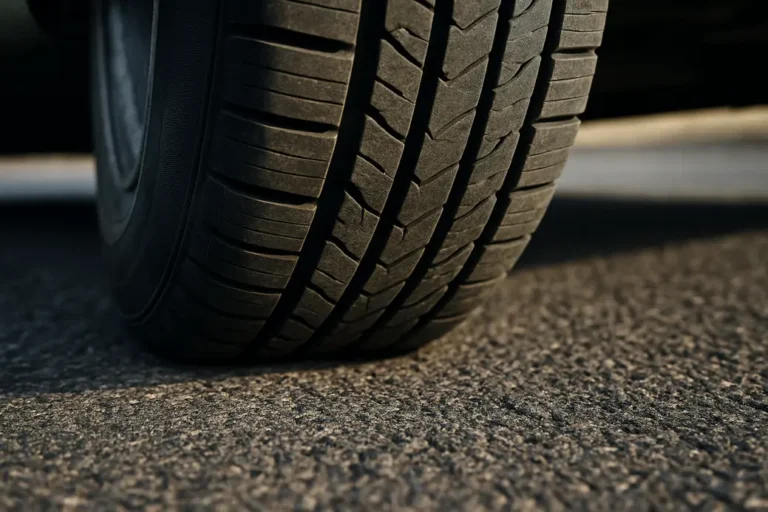
What Is Tire Age and Why Is It Important for Tire Safety?
Tire age refers to the length of time since a tire was manufactured. It is a critical factor for tire safety because rubber degrades over time regardless of usage, affecting the tire’s structural integrity. As tires age, their materials can dry out, crack, and lose elasticity, increasing the risk of blowouts or failure even if the tread looks sufficient. Monitoring tire age helps ensure that tires perform reliably under various driving conditions and maintain safe contact with the road.
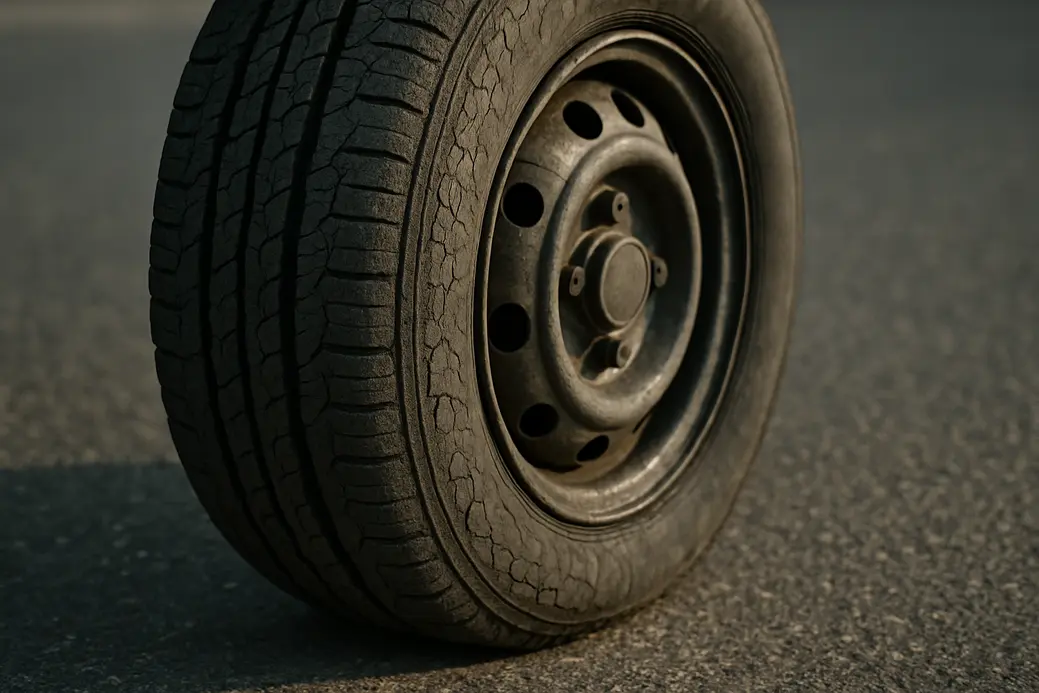
How Does Tread Depth Affect Tire Performance and Safety?
Tread depth is the measurement of the grooves in a tire’s surface, crucial for maintaining traction and handling. Adequate tread depth allows tires to channel water away from the contact patch, reducing the risk of hydroplaning in wet conditions. When tread depth wears down, tire grip decreases, braking distances lengthen, and overall safety diminishes—particularly on slippery or uneven surfaces. Regularly assessing tread wear helps maintain optimal tire performance and secure driving.
What Are the Legal Requirements for Minimum Tread Depth on Tires?
Legal minimum tread depth requirements vary by region but typically set a baseline to ensure safety on public roads. For example, in many countries, the minimum tread depth is 1.6 millimetres across the central three-quarters of the tread width. Driving below this limit is illegal and increases the risk of accidents. Tire age regulations may also exist but tend to focus more on tire condition than strict replacement timelines. Understanding these laws is essential for compliance and road safety.
How Do Tire Age and Tread Depth Interact to Affect Overall Tire Safety?
Tire age and tread depth both significantly influence tire safety, but they affect it through different mechanisms. While tread depth directly relates to grip and traction, tire age affects the physical condition of the rubber and internal components. Even a tire with deep tread can become unsafe if it is old because aged rubber may crack or deteriorate beneath the surface. Conversely, a newer tire with shallow tread may fail to maintain adequate grip. Together, they determine the tire’s lifespan and safe usage conditions, making it essential to evaluate both factors jointly rather than independently.
Can Old Tires with Good Tread Still Be Unsafe to Use?
Yes, old tires with good tread can still be unsafe. Tire safety depends not only on tread depth but also on the rubber’s condition and structural soundness, which deteriorate over time. Even if the tread remains deep, dry rot, cracking, and weakening of internal belts can occur. This degradation can lead to sudden tire failure under stress, such as during high-speed driving or heavy braking. Therefore, tire age is an independent safety concern that must be assessed alongside tread depth.
How Can You Accurately Measure Tire Age and Check Tread Depth?
Tire age can be accurately determined by checking the DOT code stamped on the tire sidewall, which indicates the manufacturing week and year. Tread depth is measured using a tread depth gauge or by using a simple coin test to estimate remaining grooves. It is important to measure tread depth in multiple locations to identify uneven wear. Regular inspections for cracks, bulges, and other damage also help determine tire condition beyond basic age and tread measurements.
What Are Common Myths About Tire Age and Tread Depth You Should Know?
A common myth is that tires are safe as long as they show good tread depth, ignoring the impact of age-related rubber degradation. Another misconception is that all tires last indefinitely if tread remains, overlooking internal damage risks. Some believe legal minimum tread depth ensures full safety, but factors like tire type and road conditions also play major roles. Dispelling these myths helps promote safer tire maintenance and replacement practices.
When Should You Replace Tires Based on Age and Tread Depth?
Tires should generally be replaced when the tread depth reaches the legal minimum or when the tires reach about six to ten years of age, regardless of tread condition. Manufacturers and safety organisations often recommend replacement after six years at the latest, because aging rubber can compromise safety. Regular inspections for tread wear and signs of rubber deterioration are critical to determining the appropriate replacement time to maintain vehicle safety.
Frequently Asked Questions
Can environmental factors like sunlight exposure accelerate tire aging?
Yes, prolonged sunlight accelerates rubber degradation, speeding up tire aging.
Is it safe to use tires that have been stored unused for several years?
No, unused tires can degrade over time and may become unsafe despite no wear.
Does the type of vehicle affect how quickly tire age impacts safety?
Yes, heavier vehicles and high-speed driving can worsen aging effects faster.