
What is tire aging and why does it matter?
Tire aging refers to the natural deterioration process that occurs in tyres over time, regardless of use. It matters because this degradation can compromise the tyre’s structural integrity, affecting safety and performance.
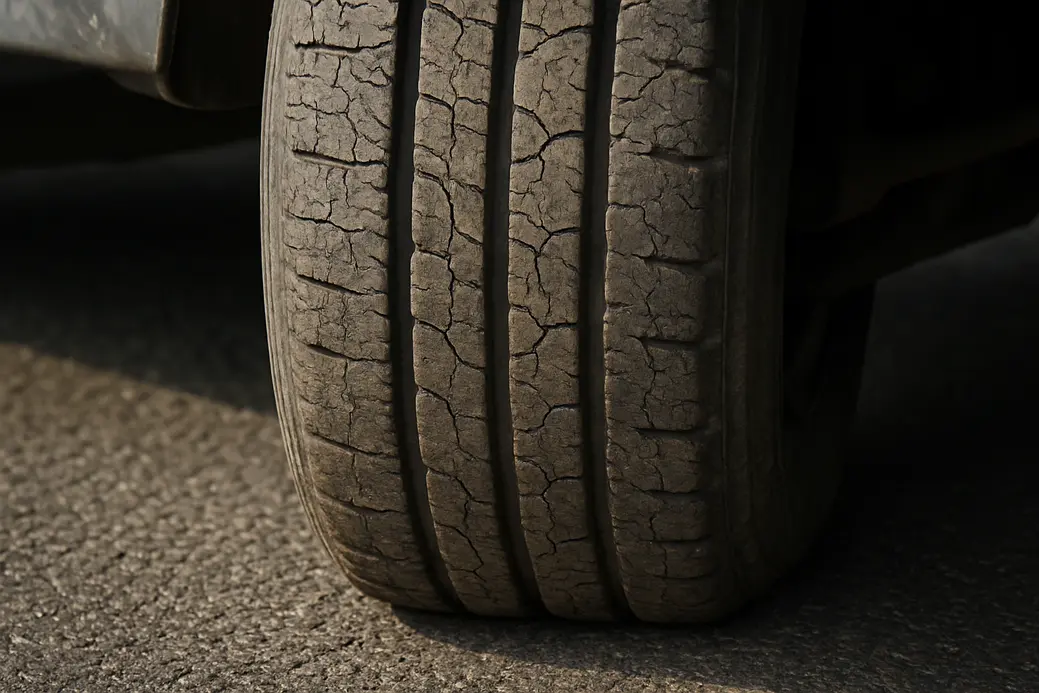
Tire materials such as rubber and other compounds break down due to exposure to heat, oxygen, ozone, and UV rays. This leads to hardening, cracking, and weakening of the tyre, increasing the risk of failure during driving. Understanding tire aging helps vehicle owners schedule timely replacements and maintain safe road conditions.
| Tire Age | Typical Condition | Risk Level | Recommended Action |
|---|---|---|---|
| 0–3 years | Fresh rubber, minimal degradation | Low | Monthly pressure checks |
| 3–5 years | Surface hardening begins | Low–Medium | Annual visual inspection |
| 5–6 years | Manufacturer inspection advised | Medium | Professional inspection |
| 6–10 years | Rubber visibly harder, micro-cracks possible | High | Consider replacement |
| 10+ years | Critical structural deterioration | Very High | Replace immediately |
How can I determine the age of my tires accurately?
You can determine the age of your tires by checking the DOT (Department of Transportation) code on the tyre’s sidewall. This code includes a four-digit number indicating the week and year the tyre was manufactured.
For example, a code ending in “2319” means the tyre was made in the 23rd week of 2019. Regularly checking your tyres for this date helps assess their viability and plan replacements before deterioration compromises safety. Remember, the tire expiration date is not always obvious without this code, so knowing how to check tyre age for safety is essential before replacement decisions.
What factors influence the lifespan of car, motorcycle, and winter tires?
The lifespan of car, motorcycle, and winter tyres depends on several factors, including usage, storage conditions, and manufacturing quality. The age of car tyres can differ significantly from motorcycle and winter tyres due to their distinct constructions and purposes.
Key factors influencing tire life expectancy include:
- Driving habits and mileage
- Exposure to extreme temperatures and sunlight
- Frequency of tyre maintenance and rotation
- Terrain and road conditions
- Proper storage when unused
Winter tyres, designed for cold conditions, may degrade faster if used year-round or stored improperly. Motorcycle tyres often wear differently due to balancing and performance demands, requiring separate age considerations.
What is the typical tire shelf life and when should tires be replaced based on age?
The typical shelf life of a tyre is generally around six years from the manufacture date, with a maximum recommended usage of ten years. Manufacturers and safety experts advise replacing tyres at least every ten years, regardless of tread wear.
When should I replace tyres based on age is influenced by visible signs of tire aging and safety inspections. Tyres older than six years should be closely monitored for cracks, brittleness, or other deterioration. Even unused tyres can degrade over time, reducing reliability. Regularly reviewing tire age replacement guidelines ensures the tyres do not reach a stage where tire expiration compromises vehicle safety or performance.
How does tire aging affect safety and performance on the road?
Tire aging significantly increases safety risks by reducing traction, durability, and resistance to impact. The safety risks of using old tyres include a higher likelihood of blowouts, reduced grip in wet conditions, and diminished braking efficiency.
Tire deterioration causes the rubber to harden and crack, impairing the tyre’s ability to maintain road contact and absorb shocks. This deterioration can also lead to uneven tyre wear and compromised handling. Staying aware of how tire aging affects vehicle performance helps prevent accidents and ensures a safer driving experience.
Are there specific legal or manufacturer guidelines for tire age limits?
Yes, there are specific legal and manufacturer guidelines regarding tire age limits. For example, some jurisdictions require tyre age declarations during MOT or safety inspections, demanding tyres not exceed certain age thresholds for roadworthiness.
Manufacturers like Bridgestone and BF Goodrich provide clear age and replacement guidelines, often recommending replacement by ten years from manufacture regardless of tread condition. Knowing the legal tire age ensures compliance with road safety laws and manufacturer recommendations to maintain optimal tyre performance and safety on public roads.
Can tires get too old even if unused, and how does this affect their usability?
Tires can indeed get too old even if they remain unused. Over time, chemical and physical changes continue to affect the rubber compounds, causing tire degradation despite lack of use.
This aging process reduces the tyre’s flexibility and strength, limiting its usability and safety. Therefore, even unused tyres have a defined tire shelf life and should be replaced once they reach recommended age limits to avoid unexpected failures when eventually fitted to a vehicle.
What are the most common questions about tire age and replacement answered?
Common questions about tire age and replacement revolve around identifying safe usage periods and understanding signs of ageing. People often ask “how old are my tires?” by checking DOT codes and “how old is too old for tires?” which is generally around ten years.
Other frequent inquiries include whether tires can last 10 years, the average life of a car tire, and the acceptable age of new tyres when purchased. Understanding these questions helps vehicle owners make informed decisions on tyre maintenance, replacement timing, and safety precautions.
Frequently Asked Questions
Can tire aging be reversed or slowed down by any treatments or products?
Tire aging cannot be reversed, but proper storage and cleaning may slow deterioration.
Is tire aging affected differently by climate zones such as tropical versus temperate regions?
Yes, tires age faster in hot, sunny climates due to increased UV and heat exposure.
Do all types of tires, such as run-flat or performance tires, have different aging rates?
Different tire types can age differently due to their specific materials and construction.
How do I read the DOT code to find out exactly when my tire was made?
The DOT code is stamped on the tire sidewall. The last four digits indicate the week and year of manufacture — for example, “2321” means the 23rd week of 2021. Find the full DOT string beginning with “DOT” and read the final four digits.
Do premium tire brands last longer than budget brands when it comes to aging?
Premium brands generally use rubber compounds that degrade more slowly, but the practical difference in aging rate is measured in months — not years. The 6-to-10-year replacement guideline applies to all brands regardless of price.


