How do new tires influence fuel consumption and gas mileage?
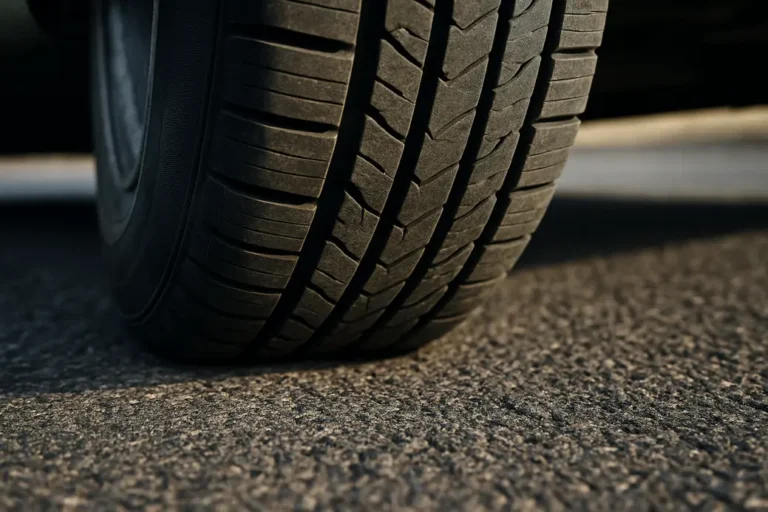
New tires can affect fuel consumption and gas mileage by altering the vehicle’s rolling resistance and overall efficiency. Rolling resistance is the energy required to keep the tires moving at a constant speed, and new tires with lower rolling resistance reduce the effort needed from the engine, thus improving fuel economy.
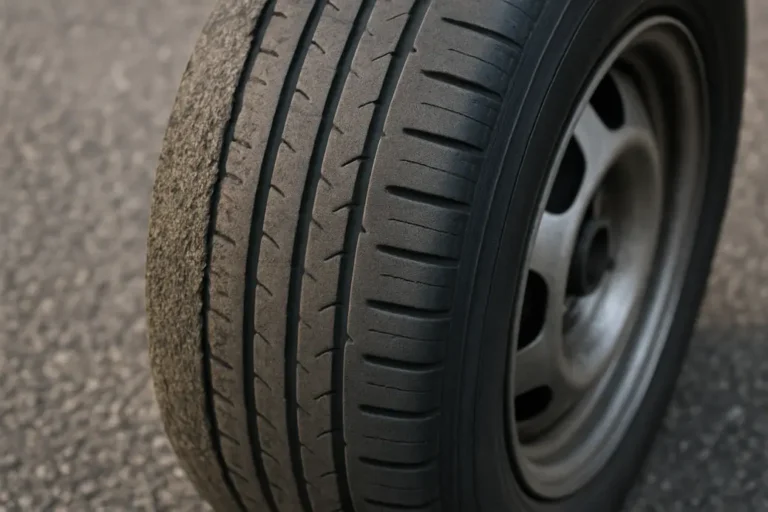
Fresh tires also have optimal tread depth and consistent pressure capabilities compared to worn-out tires. This means they maintain better road contact and reduce drag, leading to improved gas mileage. Conversely, tires that degrade or become uneven can increase fuel consumption due to higher rolling resistance and reduced traction.
What key factors related to tires affect fuel economy in vehicles?
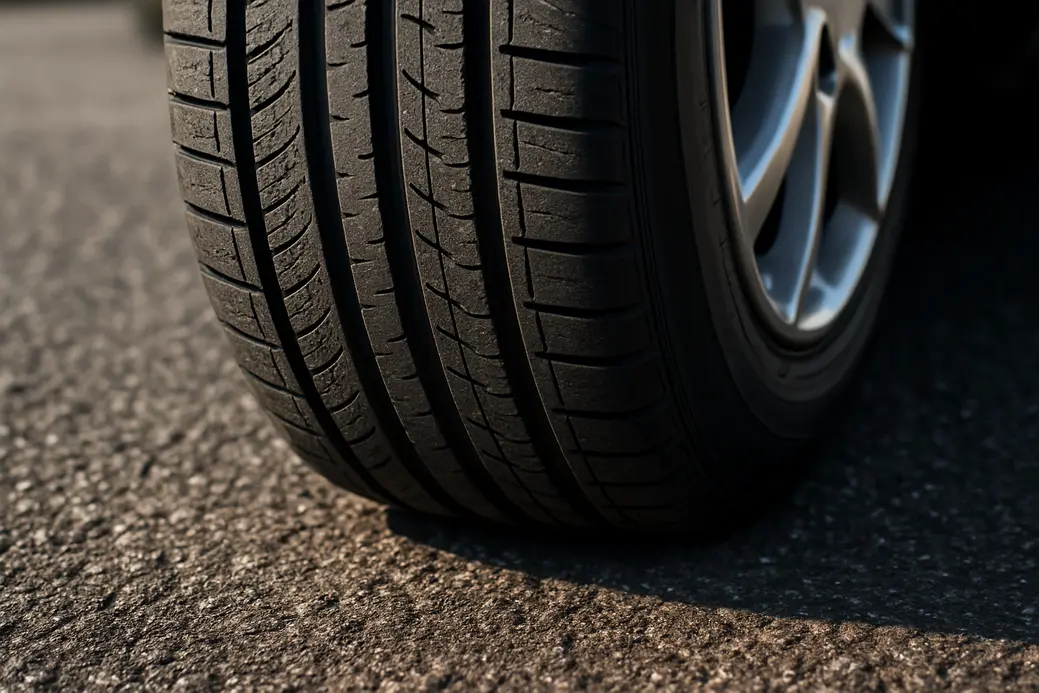
Several tire-related factors influence a vehicle’s fuel economy, including rolling resistance, tire pressure, tread pattern, and tire size. Rolling resistance directly impacts how much energy the engine needs to move the car; lower rolling resistance means less fuel consumption.
Proper tire pressure is critical because underinflated tires have more surface area contact with the road, increasing resistance and fuel usage. The tread pattern also matters, as aggressive treads can increase drag, while smoother patterns can improve efficiency. Lastly, tire size is important: larger or wider tires can increase friction and weight, reducing fuel efficiency.
Can installing new tires significantly improve mileage and fuel economy?
Installing new tires can improve mileage and fuel economy, but the degree of improvement depends on the type of tires chosen and their condition compared to the old ones. New tires generally offer better traction, balanced wear, and optimal inflation, which collectively increase fuel efficiency.
However, the impact may not always be dramatic; replacing worn tires with similar models might result in only marginal gains. Significant fuel consumption improvements usually stem from selecting tires specifically designed for low rolling resistance or fuel efficiency. The vehicle’s maintenance and driving habits also influence the overall effect of new tires on fuel economy.
How do different tire types affect fuel economy and gas mileage?
Different tire types affect fuel economy and gas mileage in varied ways due to their construction, tread design, and rubber compounds. Fuel-efficient tires, often called low rolling resistance tires, are designed with harder compounds and streamlined treads to minimise energy loss.
All-season tires generally provide a balanced performance but may have higher rolling resistance than specialised fuel economy tires. Performance or off-road tires typically prioritise grip and durability over fuel efficiency, usually resulting in increased fuel consumption. Winter tires, with softer compounds and deeper treads, can reduce fuel economy due to higher rolling resistance in dry conditions.
What practical tips can help save fuel when choosing and using new tires?
To save fuel with new tires, select models rated for low rolling resistance and fuel efficiency. Look for tires with fuel economy labels or certifications, as these are engineered to reduce drag and optimise performance. Maintaining correct tire pressure is essential—check and adjust it regularly to avoid increased rolling resistance caused by underinflation.
Consider the following tips:
- Choose tires with appropriate size and load rating for your vehicle
- Avoid unnecessarily wide or heavy tires that increase friction and weight
- Regularly rotate tires to ensure even wear, maintaining consistent efficiency
- Replace old, worn tires promptly to avoid increased rolling resistance
- Drive smoothly to reduce tyre stress and improve gas mileage
Adopting these practices will help maximise the fuel-saving potential of new tires and enhance overall vehicle efficiency.
Frequently Asked Questions
How often should tire pressure be checked to maintain optimal fuel efficiency?
Tire pressure should be checked at least once a month for best fuel efficiency.
Can tire alignment issues impact fuel consumption?
Yes, poor tire alignment increases rolling resistance and therefore fuel consumption.
Does the weight of the tire itself influence fuel economy significantly?
Yes, heavier tires can reduce fuel efficiency due to increased rolling resistance and vehicle weight.