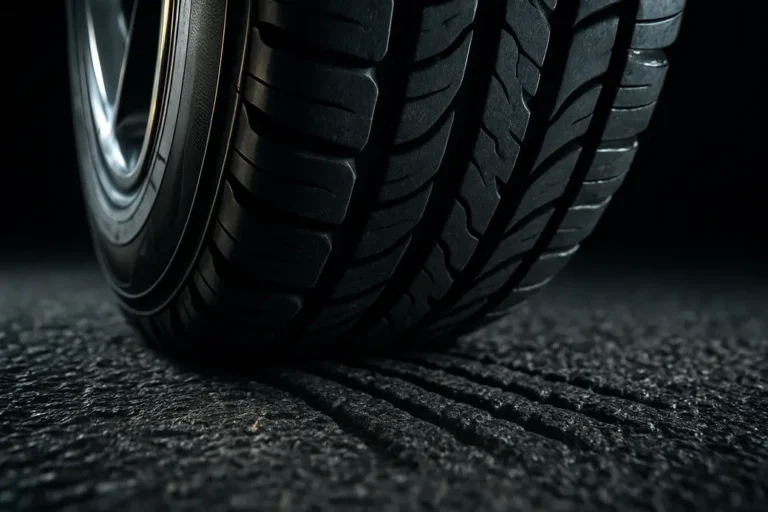
How Does Tire Width Influence Fuel Consumption?
Wider tires generally increase fuel consumption compared to narrower, standard tires. The primary reason is that wider tires create greater rolling resistance, which requires more energy from the engine to maintain speed. This additional effort translates into higher fuel usage.
Besides rolling resistance, wider tires are often heavier, adding to the overall weight of the vehicle, which further impacts fuel consumption negatively. The broader contact patch of wider tires also increases friction with the road surface, reducing the energy efficiency of the vehicle. Therefore, wider tires typically lead to a noticeable decrease in fuel economy compared to standard tire widths.
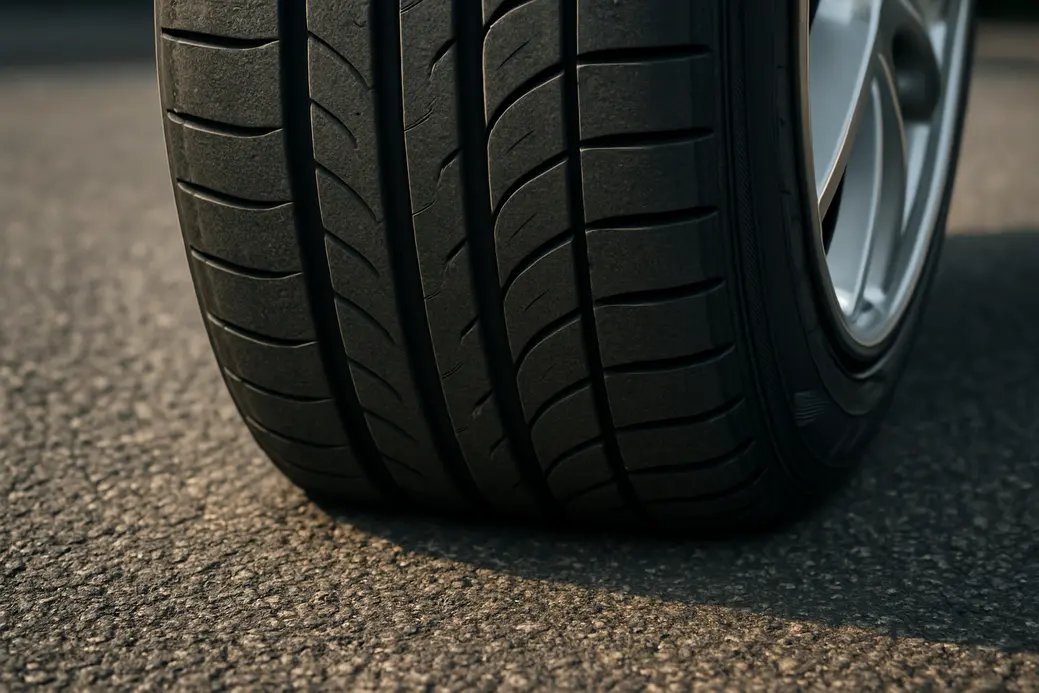
How Do Wider Tires Affect Rolling Resistance and Aerodynamics to Impact Fuel Economy?
Wider tires increase rolling resistance because their larger contact surface with the road causes more friction. This friction means the engine must work harder to keep the vehicle moving, thereby using more fuel. Additionally, compared to narrow tires, wider ones add to the unsprung mass of the vehicle, impairing efficiency.
Aerodynamics also suffer with wider tires. The increased width changes the airflow around the wheels, often creating more drag, which further reduces fuel economy, especially at higher speeds. Combining higher rolling resistance with increased aerodynamic drag means that fuel efficiency typically decreases more with wider tires than with narrower alternatives.
What Are the Advantages and Disadvantages of Using Wider Tires on Fuel Efficiency?
Using wider tires has both pros and cons concerning fuel efficiency:
- Advantages:
- Improved grip and handling can lead to more efficient driving in some conditions.
- Wider tires can distribute the vehicle’s weight more evenly, potentially reducing certain types of wear.
- Disadvantages:
- Increased rolling resistance leads to higher fuel consumption.
- Added aerodynamic drag reduces fuel economy, particularly at highway speeds.
- Heavier tires increase the vehicle’s overall weight, which worsens mileage.
While wider tires improve safety and performance in specific scenarios, these benefits typically come at the cost of reduced fuel efficiency. The net effect for most drivers is an increase in fuel consumption.
What Is the Real-World Impact of Bigger Tires on Gas Mileage and Miles Per Gallon (MPG)?
In real-world driving, bigger tires usually lead to a decrease in gas mileage and lower miles per gallon. The combination of greater rolling resistance, increased weight, and reduced aerodynamic efficiency means the engine consumes more fuel per mile. On average, upgrading from standard to wider tires can reduce fuel economy by anywhere from 2% to 10%, depending on factors such as tire type and driving conditions.
For example, drivers may notice more rapid fuel consumption during city driving where frequent acceleration is required. At higher speeds, the aerodynamic penalties become more significant, further lowering MPG. However, the exact impact varies considerably, and some drivers notice only minimal changes if the wider tires are chosen carefully.
Are There Vehicle-Specific Factors That Influence Fuel Consumption When Using Wider Tires?
Yes, fuel consumption changes from wider tires depend on vehicle-specific factors such as weight, drivetrain, suspension, and engine power. Heavier or more powerful vehicles may mask some fuel economy losses caused by bigger tires, while smaller cars tend to feel the effect more acutely. Likewise, vehicles with adaptive suspension or precise stability controls may manage the handling impacts of wider tires better, thus moderating their fuel consumption penalty.
Other considerations include tire pressure, type of driving, and how the vehicle’s electronics respond to changes in tire size. Some vehicles require recalibrated speedometers or adjusted handling settings when switching to wider tires. Ultimately, each vehicle responds uniquely to tire width changes, meaning fuel consumption impacts should be evaluated on a case-by-case basis.
Frequently Asked Questions
Can using wider tires affect my vehicle’s braking distance?
Yes, wider tires can improve braking distance due to a larger contact patch with the road.
Do wider tires require more frequent maintenance or replacement?
Wider tires may wear differently and could require more frequent checks, but replacement intervals vary.
Is it necessary to adjust tire pressure when switching to wider tires?
Yes, adjusting tire pressure is important to ensure safety and optimize performance with wider tires.