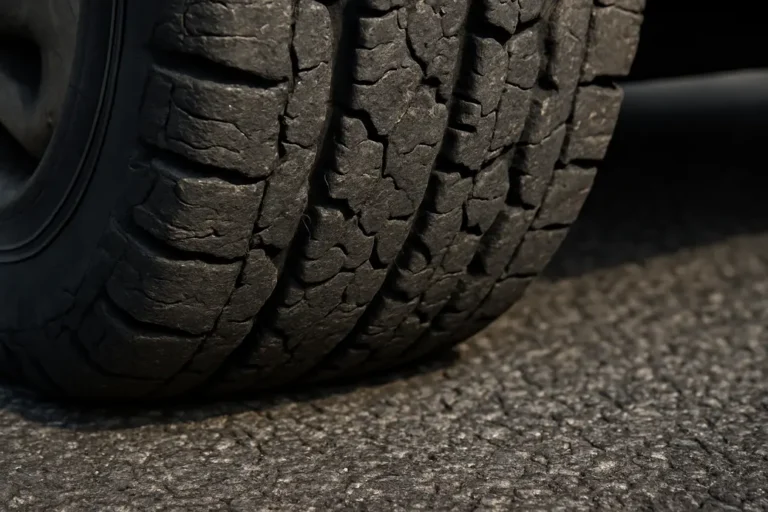
What is tire carcass construction and why is it important?
Tire carcass construction refers to the internal framework of a tire that provides its shape, strength, and flexibility. It is foundational for the tire’s overall performance, durability, and safety. The carcass, also known as the tire body, forms the structural base upon which tread and other layers are built.
This construction involves layers of fabric and rubber arranged to balance factors like load-bearing capacity, ride comfort, and resistance to puncture or deformation. Proper carcass building ensures that a tire maintains its shape under various stresses, offering stability and control during use.

What are the main components of a tire carcass?
The main components of a tire carcass include the carcass ply, bead bundles, and sometimes additional fabrics or cords. The carcass ply consists of multiple layers of fabric or cords embedded in rubber, forming the skeleton of the tire. These layers run from one bead to the other, providing the core support.
Bead bundles are reinforcements that ensure the tire stays securely attached to the wheel rim. Together, these parts comprise the tire’s internal structure, designed to carry the vehicle’s load and absorb shocks from road surfaces.
What materials are commonly used in tire carcass construction?
Common materials in tire carcass construction are polyester, nylon, rayon, and steel cords, embedded within rubber compounds. Textile fabrics like polyester and nylon provide flexibility and strength to the tire carcass layers. Steel cords offer high tensile strength and are often used in belts or for reinforcement in larger tires.
These materials are layered to create a balance between durability, weight, and elasticity. The choice of fabric layers and cord type directly affects the tire’s resistance to wear, heat, and punctures.
What are the different types of tire carcass construction and how do they differ?
The primary types of tire carcass constructions are bias-ply and radial-ply. Bias-ply tires have carcass plies arranged diagonally, crossing each other at angles, creating a firm but pliable framework. Radial-ply tires have plies arranged perpendicular to the direction of travel, with belts under the tread to improve stability.
Differences include flexibility, ride comfort, and tread life. Radial construction offers better heat dissipation and longer wear, while bias-ply tires provide stronger sidewall support important in certain heavy-duty applications.
How does tire carcass construction vary between different tire types like bicycle, mountain bike, and car tires?
Tire carcass construction varies significantly between bicycle, mountain bike, and car tires due to differing performance demands. Bicycle tires typically have fewer, lighter carcass layers focused on flexibility and weight-saving. Mountain bike tires use more robust carcass construction with reinforced sidewalls and thicker fabric layers to withstand rough terrain.
Car tires have complex carcass designs with multiple fabric layers and steel belts designed for load capacity, safety, and long-distance durability. Each tire type tailors its base structure to match speed, weight, and usage environments.
How does the design and construction of the tire carcass impact overall tire performance and safety?
The design and construction of the tire carcass critically affect handling, durability, and safety. A well-built carcass distributes load evenly, prevents excessive deformation, and maintains tread contact with the road. This leads to better grip, control, and tyre longevity.
Adequate carcass stiffness improves cornering stability, while elasticity aids shock absorption. Carcass construction also influences heat build-up, impacting the risk of tire failure. Therefore, optimized carcass design is essential for balancing performance and safety.
What are the latest innovations and technologies in tire carcass construction?
Recent innovations in tire carcass construction include the use of advanced composite materials, 3D tyre printing, and smart sensors embedded in the carcass layers. Novel fabrics like aramid fibers enhance strength-to-weight ratios, improving durability without adding bulk.
New engineering techniques focus on reducing rolling resistance and improving puncture resistance. Additionally, digital simulation tools allow precise tuning of carcass ply angles and materials to optimise performance for specific applications.
What are the common questions about tire carcass construction that users ask?
Users frequently ask how tire carcasses are constructed, what materials are best, and how carcass design affects tyre performance. Questions often focus on the difference between bias and radial constructions, and why different tire types require unique carcass designs.
Other common inquiries concern how carcass construction influences ride comfort and safety, and what technological advances exist in carcass engineering. These FAQs highlight the crucial role carcass building plays in modern tire technology.
Frequently Asked Questions
How does tire carcass construction affect fuel efficiency in vehicles?
Carcass design influences rolling resistance, which directly impacts fuel consumption.
Can tire carcass damage be repaired without replacing the entire tire?
Minor carcass damage often requires full tire replacement for safety reasons.
How often should the condition of a tire carcass be inspected?
Regular inspections are recommended every few months or before long trips.