
When should you replace all four tires on your vehicle?
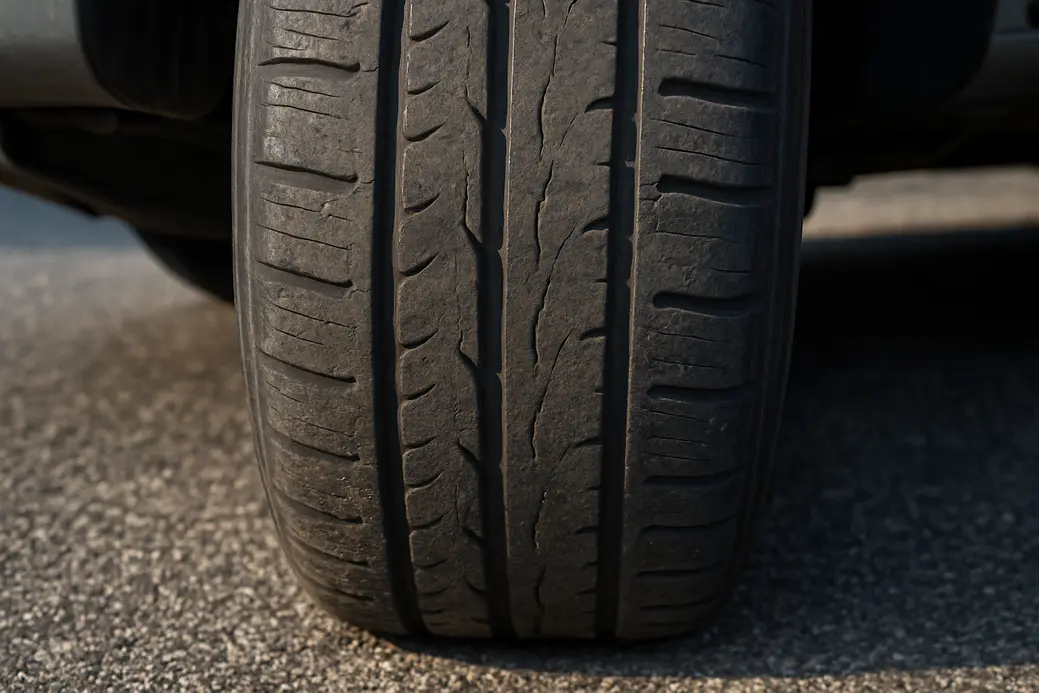
You should replace all four tires when they show signs of significant wear or damage that affects safety and performance. This is particularly important if the tread depth is below the recommended limit, typically 2/32 of an inch, or if the tires have uneven wear patterns that cannot be corrected by rotation.
Replacing all four tires at the same time ensures balanced handling, even traction, and consistent braking performance. Waiting too long to replace worn tires increases the risk of hydroplaning, blowouts, and poor vehicle stability. In addition, if your tires are more than six years old, even with adequate tread, it is advisable to consider replacement due to rubber degradation.
Do you have to replace all four tires on AWD or 4WD vehicles?
Yes, you generally need to replace all four tires at the same time on AWD (all-wheel drive) or 4WD (four-wheel drive) vehicles. These vehicles rely on uniform tire circumference to maintain correct drivetrain balance and avoid mechanical strain.
Mixing tires of different tread depths or profiles can cause differential damage or uneven wear, leading to costly repairs. If only one tire is replaced, the difference in diameter can trigger warning lights and negatively impact traction control systems. If replacement of a single tire is unavoidable, the new tire should closely match the existing tread depth and specifications, with professional advice strongly recommended.
Is it a good idea to replace only two tires instead of all four?
Replacing only two tires is generally not advisable, especially on vehicles with AWD or 4WD systems, but it may be acceptable under certain conditions on two-wheel-drive cars. Installing just two new tyres on the front or rear can lead to uneven traction and unpredictable handling, which compromises safety.
If you must replace only two, those tires should be placed on the rear axle to help maintain vehicle stability during braking and cornering. Swapping tyres across positions to match wear as closely as possible can help, but full replacement provides optimal balance and longevity for your tyres and vehicle.
How much does it cost to replace all four tires at once?
The cost to replace all four tires at once varies widely based on tire brand, type, and vehicle size. On average, expect to pay between £300 and £800 for a full set of mid-range tyres, including fitting and balancing.
High-performance or specialised tyres can increase costs significantly, sometimes exceeding £1,200. Additional services such as wheel alignment or disposal fees may add to the overall price. Comparing prices across suppliers and checking for seasonal promotions can help reduce expenses.
Do all four tires have to be the same brand or match exactly?
While it is not mandatory for all four tyres to be the exact same brand, it is highly recommended that they match in terms of tread pattern, size, and performance characteristics. Consistent tyres ensure balanced handling and avoid uneven wear or vehicle instability.
Different brands or tyre types can have varying grip levels and tread life, which may compromise driving dynamics and safety. For AWD and 4WD vehicles, matching all four tyres is more critical due to drivetrain sensitivity and warranty requirements.
What are the best practices and tips for changing all four tires at once?
When changing all four tires, ensure all replacements meet your vehicle manufacturer’s specifications for size and speed rating. Always have tyres fitted by qualified professionals who will balance and align wheels properly.
Check tyre pressure regularly and inspect tread depth periodically to maintain safety. Keep documentation of the new tyres for warranty and future reference. Rotating tyres at recommended intervals optimises their lifespan and ensures even wear across all four tyres.
Frequently Asked Questions
Can mixing summer and winter tires on the same vehicle affect performance?
Yes, mixing summer and winter tires can reduce grip and increase wear unevenly.
How often should tires be rotated to ensure even wear?
Tires should typically be rotated every 8,000 to 12,000 kilometers for even wear.
What are the risks of driving with tires that have different air pressures?
Unequal tire pressures can cause poor handling, increased wear, and reduced fuel efficiency.


