
What are fuel efficient tires and how do they differ from regular tires?
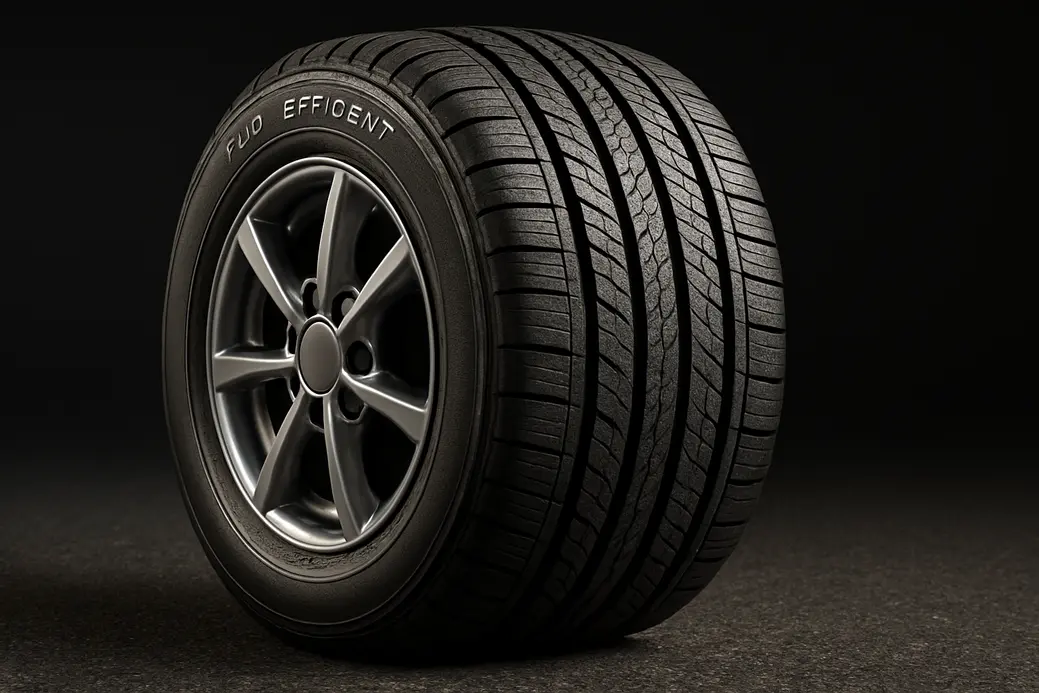
Fuel efficient tires are designed to reduce rolling resistance, which is the force that opposes a tire’s motion as it rolls on a surface. This reduction helps vehicles use less fuel compared to those equipped with regular tires. Unlike standard tires, fuel efficient tires typically use special rubber compounds and tread patterns optimized for lower energy loss.
These tires often feature advanced materials and construction techniques to maintain performance while minimising fuel consumption. The key difference lies in their ability to improve fuel economy through reduced friction and heat generation, without compromising safety standards or basic durability.
What are the main pros of using fuel efficient tires for your vehicle?
The main advantages of fuel efficient tires include lower fuel consumption, cost savings, and environmental benefits. By reducing rolling resistance, these tires help vehicles use less petrol or diesel, translating into fewer trips to the pump and less money spent on fuel.
Other benefits include:
- Reduced carbon emissions due to improved fuel economy
- Potential for longer tread life with some energy-saving tire designs
- Enhanced environmental impact through reduced greenhouse gases
- Often quieter ride quality because of specialised tread patterns
These eco-friendly tires contribute positively to both your wallet and the planet, making them a practical choice for drivers conscious of fuel expenses and environmental footprint.
What are the potential cons or disadvantages of fuel efficient tires?
Fuel efficient tires may come with some trade-offs, including higher upfront costs compared to conventional tires. These tyres often incorporate advanced materials that can increase their retail price.
Other possible disadvantages are:
- Sometimes reduced traction, especially in wet or icy conditions, due to tread design optimisations for low rolling resistance
- Slightly firmer ride quality, as the compound focus is on efficiency rather than comfort
- Limited availability in certain sizes or brands, restricting choices for some vehicles
It is important to balance these drawbacks with the fuel and environmental benefits they provide to decide if they align with your driving needs.
How do fuel efficient tires improve fuel mileage and overall fuel economy?
Fuel efficient tires improve fuel mileage primarily by lowering rolling resistance, the energy lost when a tire rolls on the road. Less rolling resistance means the engine works less hard to keep the car moving, resulting in better fuel economy.
Key factors include:
- Special rubber compounds that reduce heat buildup and energy loss
- Optimised tread patterns that minimise friction with the road
- Lightweight materials that reduce unsprung mass and improve efficiency
Together, these features help drivers achieve measurable fuel savings, often ranging from 3% to 7%, depending on driving conditions. Over time, this improvement can reduce fuel expenses significantly.
Do fuel efficient tires impact vehicle performance and safety, and if so, how?
Yes, fuel efficient tires can impact vehicle performance and safety, though manufacturers strive to balance efficiency with acceptable handling and braking capabilities. Some fuel saving tires may offer slightly less grip on wet or slippery surfaces due to their tread design prioritising low rolling resistance.
However, modern fuel efficient tires usually meet safety regulations and provide adequate traction for most everyday driving conditions. It is important to select tires that suit your usual weather and road types to maintain optimal safety while benefiting from fuel economy.
Drivers should consider:
- Potentially longer braking distances in wet conditions
- Slight changes in cornering feel or ride firmness
- Ensuring proper tire maintenance to preserve performance characteristics
Overall, the impact varies by brand and model but is generally modest when choosing reputable fuel efficient tires.
What are the cost implications of fuel efficient tires compared to regular tires?
Fuel efficient tires tend to cost more upfront than regular tires due to the advanced technology and materials used in their manufacture. This initial investment can be 10% to 30% higher than standard tire prices.
However, the long-term financial outlook may balance this out because of:
- Reduced fuel expenses thanks to improved mileage
- Potential for longer tire life with certain fuel-saving models
- Possible savings on emissions-related costs or taxes in eco-conscious regions
When looking at the total cost of ownership, the fuel savings often offset the higher purchase price, especially for drivers covering high mileage. It is essential to weigh initial expense against ongoing benefits based on your driving habits.
How can you understand and use fuel efficient tire ratings and labels effectively?
Fuel efficient tire ratings and labels provide clear, standardised information on a tire’s rolling resistance and fuel-saving capabilities. These labels, often found on the tire sidewall or packaging, help consumers compare options based on performance attributes.
Important aspects include:
- Rolling resistance indices indicating energy loss
- Fuel economy ratings showing expected fuel savings
- Additional labels for wet grip and noise levels to aid balanced decision-making
Understanding these ratings enables drivers to choose tires that match their priorities, combining fuel efficiency with safety and comfort requirements.
Are fuel efficient tires worth it for your driving needs and lifestyle?
Fuel efficient tires are worth considering if you prioritise fuel savings, lower emissions, and longer-term cost efficiency. They provide tangible benefits for drivers who cover substantial distances or want to reduce environmental impact.
However, if you frequently drive in challenging weather conditions or prioritise maximum traction and performance over fuel economy, the trade-offs may be less acceptable. Ultimately, evaluating your typical driving patterns, climate, and budget helps determine if the advantages of fuel efficient tires align with your lifestyle.
Frequently Asked Questions
Can fuel efficient tires be used on all types of vehicles?
Fuel efficient tires are generally compatible with most passenger vehicles but may not suit heavy-duty or performance cars.
How often should fuel efficient tires be rotated for optimal performance?
Tire rotation every 8,000 to 12,000 kilometers helps maintain even wear and fuel efficiency.
Do fuel efficient tires require different maintenance than regular tires?
Maintenance is similar, but regular pressure checks are crucial to preserve fuel-saving benefits.


