
What is normal tire wear and how does it differ from abnormal tire wear?
Normal tire wear occurs gradually and evenly across the entire tread surface, reflecting typical use over time. It is characterised by smooth tread erosion that matches the expected lifespan of the tire based on mileage and driving conditions.
In contrast, abnormal tire wear shows uneven or irregular patterns that deviate from the uniform tread loss seen in normal wear. This can include patchy, cupped, or scalloped areas and often signals an underlying issue such as misalignment, improper inflation, or suspension problems. Understanding the distinction between regular and irregular tire wear helps in diagnosing vehicle faults promptly and maintaining tyre safety.
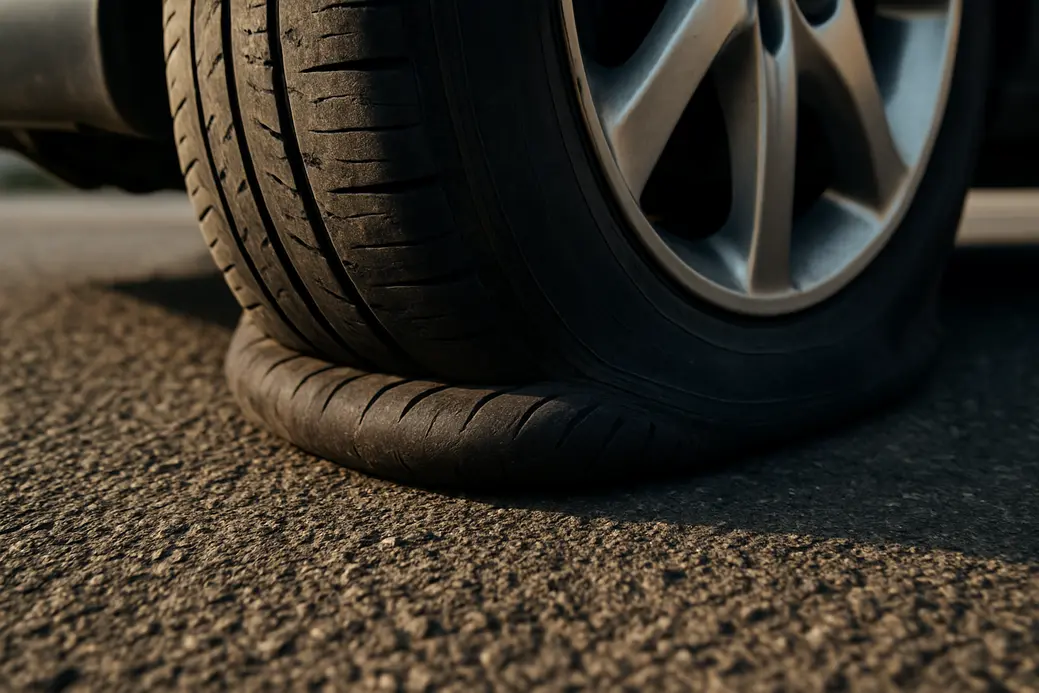
What are the common types of abnormal tire wear patterns and their causes?
Common abnormal tire wear patterns include cupping, feathering, shoulder wear, centre wear, and edge wear, each indicating specific causes.
- Cupping appears as high and low points on the tread surface and is usually caused by worn suspension components or imbalance.
- Feathering involves tread ribs with a sawtooth pattern caused by misalignment.
- Shoulder wear shows excessive tread loss on one or both edges due to underinflation or aggressive cornering.
- Centre wear results from overinflated tires causing the centre tread to wear faster than the edges.
- Edge wear occurs when the tread edges wear faster because of underinflation or improper camber settings.
Recognising these patterns can reveal issues like incorrect tire pressure, alignment faults, or suspension problems, which contribute to premature tires deterioration.
How can you identify different tire wear patterns early and distinguish between even and uneven wear?
Spotting abnormal tire wear early requires regular visual inspection of the tread surface for inconsistencies. Even wear occurs when the tread wears uniformly from edge to edge, indicating proper inflation, alignment, and suspension.
Uneven wear can be identified by looking for:
- Patches or cupped areas indicating suspension or balance issues
- Feathered or scalloped tread edges suggestive of misalignment
- Exaggerated wear on the inside or outside shoulders revealing camber or inflation problems
- More tread wear in the centre or edges pointing to improper tire pressure
Using a tread depth gauge across multiple points on each tyre can help precisely measure wear differences. Early detection of these tire damage signs enables timely corrective action to extend tyre life and improve safety.
What are the most common causes of excessive or uneven tire wear on vehicles?
Excessive or uneven tire wear is primarily caused by misalignment, incorrect tire pressure, worn suspension components, or driving habits.
- Misalignment causes tires to contact the road unevenly, accelerating wear on shoulders or edges.
- Overinflated tires wear faster in the centre, while underinflated tires wear through the edges.
- Damaged or worn suspension parts affect wheel positioning and shock absorption, leading to abnormal wear patterns.
- Aggressive driving, like hard cornering or rapid acceleration, exacerbates uneven tread wear.
- Failing to rotate tires regularly also contributes to uneven wear since different positions on the vehicle experience varied stresses.
These factors contribute to tires deterioration by creating inconsistent friction and load distribution during driving.
How can abnormal tire wear be prevented through regular maintenance and driving habits?
Abnormal tire wear can be effectively prevented by following regular maintenance routines and adopting safe driving habits. Key steps include:
- Checking and maintaining correct tire pressure monthly to ensure even contact with the road
- Scheduling regular wheel alignments and balancing to keep tires properly positioned
- Inspecting suspension components periodically and replacing worn parts promptly
- Rotating tires every 8,000 to 10,000 miles to promote uniform wear across all tires
- Avoiding aggressive driving behaviours such as sudden braking, sharp cornering, and rapid accelerations
- Keeping tires clean and free from debris which can cause uneven wear spots
Consistent attention to these factors reduces irregular tire wear patterns and helps maximise tire lifespan while maintaining optimal safety and performance.
When should you replace your tires due to normal or abnormal wear?
Tires should be replaced when tread depth reaches 2/32 of an inch, a standard safety limit, or sooner if abnormal wear patterns jeopardise performance. If tire damage signs such as excessive cupping, uneven wear, or sidewall damage appear, replacement is necessary regardless of tread depth.
Normal wear allows use until the tread reaches the legal minimum, but abnormal wear often creates unsafe driving conditions earlier. Regular inspection and understanding normal vs abnormal tire wear help determine the correct timing for replacement to ensure safety.
Frequently Asked Questions
Can changes in tire wear affect fuel efficiency?
Yes, uneven or abnormal tire wear can reduce fuel efficiency by increasing rolling resistance.
How does seasonal weather impact tire wear patterns?
Seasonal weather can cause variations in tire wear due to temperature changes and different road conditions.
Is it safe to use tires with minor abnormal wear for short trips?
Minor abnormal wear is generally safer for short trips but should be inspected before extended use.


