
What is low tire pressure and why does it matter?
Low tire pressure occurs when the air inside a vehicle’s tires drops below the manufacturer’s recommended level. It is a critical issue because it directly affects the vehicle’s handling, fuel efficiency, and overall safety. Recognising a low pressure tire sign early helps prevent tire damage, costly repairs, and potential accidents. Maintaining the correct tire pressure ensures optimal contact between the tire and the road, improving control and stability.
Low tire pressure can result from natural air loss over time, temperature changes, or punctures. Ignoring this condition can lead to uneven tire wear and increase the risk of blowouts. Therefore, understanding what low tire pressure means and why it matters is essential for any car or motorcycle owner concerned with vehicle performance and safety.
What are the common signs of low tire pressure in cars?
The most common signs of low tire pressure in cars include a noticeable change in vehicle handling, increased stopping distances, and the tire pressure warning light activating on the dashboard. Drivers may feel the car pulling to one side or experience a softer and less responsive steering feel. These are classic low air sign indicators.
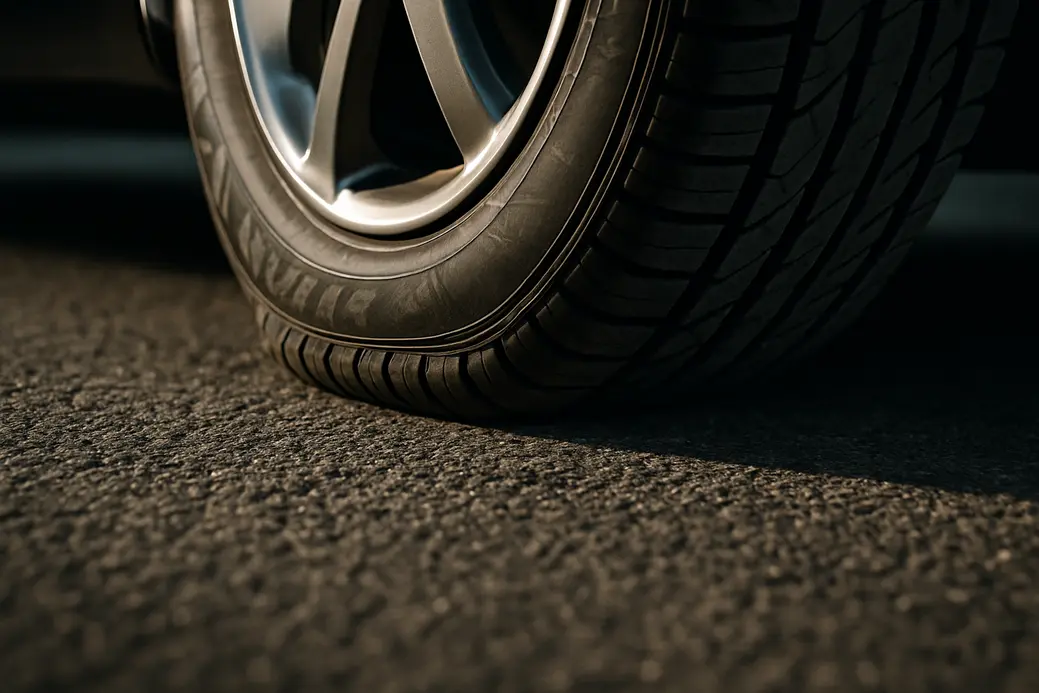
Other signs of underinflated tires include visibly flattened areas where the tire meets the road and reduced fuel efficiency. The tires may also make unusual noises when driving or appear visibly deflated when inspected. Paying attention to these low tire sign symptoms helps to address the problem before it worsens, enhancing road safety and tyre longevity.
How can I recognize motorcycle low tire pressure symptoms?
Motorcycle low tire pressure symptoms include reduced stability, especially when cornering, and a feeling of sluggish or heavy steering. Riders may notice the bike tends to wobble or feels less responsive at lower speeds, which signals the presence of a low pressure tyre sign.
Additionally, visual inspection often reveals visibly underinflated tyres, with the sidewalls appearing bulged or the tire looking flatter against the road. These signs of low tire pressure require immediate attention to maintain the motorcycle’s handling characteristics and rider safety.
What does the tire pressure warning light or tire low light in my car mean?
The tire pressure warning light or tire low light in a car indicates that one or more tires have dropped below the manufacturer’s recommended pressure level. This symbol in the car’s instrument panel serves as an early alert to the driver about low air pressure within the tyres.
The tire pressure symbol typically looks like an exclamation mark inside a horseshoe shape and activates when sensors detect a low air pressure sign. Ignoring this warning can result in compromised vehicle performance and increased risk of accidents, making it essential to check and correct tire pressures promptly after the light appears.
How does low tire pressure affect vehicle performance and safety?
Low tire pressure negatively affects both vehicle performance and safety by reducing traction, increasing braking distances, and impairing steering response. Underinflated tires increase rolling resistance, which lowers fuel efficiency and accelerates tire wear. These effects of low tire pressure on car safety make vehicles harder to control, especially in wet or emergency driving conditions.
Additionally, low pressure tires generate more heat, increasing the risk of tire failure or blowouts during high-speed travel. This makes recognising and responding to low tire pressure symptoms crucial for preventing accidents. Maintaining correct inflation helps preserve vehicle stability and braking capabilities, essential for driver and passenger safety.
What should I do when I detect signs of low tire pressure?
When you detect signs of low tire pressure, the first step is to safely pull over and inspect your tires visually. If you notice any flattening or bulging, check the pressure with a reliable gauge and compare it with the recommended values in your vehicle’s manual.
If the pressure is low, inflate the tires to the correct level using a portable air compressor or visit a service station. Should the tire pressure warning persist after inflation, or if the tyre loses pressure quickly, seek professional assistance to inspect for punctures or leaks. Prompt action protects you from hazards linked to low pressure tires.
How can I prevent low tire pressure with proper maintenance?
Preventing low tire pressure involves regular checks and maintenance throughout the year. It is advisable to inspect tire pressure at least once a month and before long trips, using a trusted pressure gauge to identify any low air pressure tire sign early.
Keeping tires properly inflated specific to seasonal temperature changes also helps prevent pressure drops. Additionally, regular visual inspection for damage or slow leaks combined with timely replacement of worn tires helps maintain optimal tire pressure and vehicle safety. These simple maintenance routines reduce the chances of encountering a tire pressure low sign unexpectedly.
Frequently Asked Questions
Can driving with low tire pressure cause permanent damage to the tires?
Yes, driving with low tire pressure can cause uneven wear and potentially permanent tire damage.
Is it safe to use tire sealant as a temporary fix for low tire pressure?
Tire sealant can be a temporary solution, but professional repair or replacement is recommended soon after.
How does seasonal temperature change specifically affect tire pressure?
Tire pressure drops approximately 1 PSI for every 10°F decrease in temperature.


