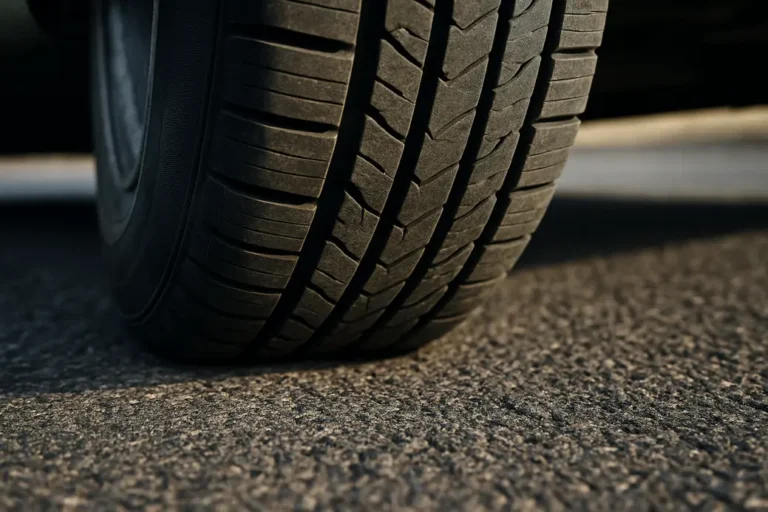
What is the tire shoulder and what is its function?
The tire shoulder is the edge area of a tire’s tread where it meets the sidewall. Its primary function is to support the tread blocks during cornering and help maintain the tire’s structural integrity. The shoulder forms a transitional zone between the flat tread surface and the vertical sidewall, playing a crucial role in distributing forces exerted on the tire.
This part of the tire contributes to traction and wear resistance, as it directly contacts the road during turns and maneuvers. Additionally, the shoulder aids in heat dissipation by facilitating airflow around the tire, which prevents overheating and prolongs tire life. Understanding the function of the tire shoulder helps explain its importance in overall tire performance.

Why is the tire shoulder important for vehicle safety and performance?
The tire shoulder is essential for vehicle safety and performance because it affects traction, stability, and braking efficiency. Its design influences how well a tire grips the road during cornering, reducing the risk of skidding or loss of control. Without a properly functioning shoulder, a vehicle may experience uneven tire wear and compromised handling.
In emergency situations such as sudden turns or evasive maneuvers, the tire shoulder’s ability to maintain contact with the road surface enhances driver control. This prevents accidents and improves overall safety. Furthermore, a well-maintained tire shoulder helps optimise fuel efficiency by maintaining the correct tire shape and contact pressure, which supports smoother rides and consistent vehicle performance.
What are the common types of tire shoulders and how do they differ?
Common types of tire shoulders include open shoulder and closed shoulder designs. Open shoulder tires have gaps or voids in the shoulder tread area, improving water evacuation and increasing traction in wet conditions. This design also reduces road noise but may wear faster under aggressive driving.
Closed shoulder tires feature a more continuous tread pattern at the shoulder, providing better stability and longer tread life. These tires generally offer improved dry handling and quieter rides. The difference between open shoulder and closed shoulder tires lies mainly in their tread patterns and performance priorities, with open shoulder designs prioritising wet traction and closed shoulder designs focusing on durability and stability.
How does the tire shoulder affect tire handling and driving performance?
The tire shoulder significantly affects handling and driving performance by influencing the tire’s grip and stability during lateral movements. When a vehicle turns, the shoulder tread engages more with the road surface, helping the tire resist deformation and maintain proper contact pressure. This enhances cornering ability and steering precision.
A well-designed tread shoulder improves the response time of the tire to driver inputs, allowing for safer and more controlled maneuvers. The tire edge or tread shoulder also assists in dispersing heat generated during driving, preventing performance degradation caused by overheating. In contrast, worn or damaged shoulders can lead to poor handling, increased risk of blowouts, and uneven tire wear, all of which decrease overall driving safety.
What common issues affect the tire shoulder and how can they be prevented?
Common issues affecting the tire shoulder include excessive wear, cracking, and damage from impacts. Uneven shoulder wear often results from improper wheel alignment, underinflation, or aggressive cornering. Cracks can develop due to prolonged exposure to harsh weather or aging rubber compounds.
Preventing these problems involves regular inspection of the tire shoulders for signs of damage, maintaining proper tire pressure, and ensuring correct wheel alignment. Avoiding sharp turns at high speeds and steering clear of road hazards also helps protect the sidewall edge and tread shoulder from premature deterioration.
How can drivers maintain the tire shoulder to extend tire life?
Drivers can maintain tire shoulders and extend tire life by routinely checking for uneven wear, damage, or embedded debris. Keeping tires inflated to the manufacturer’s recommended pressure ensures even contact and load distribution across the shoulder and tread.
Regular wheel balancing and alignment adjustments also prevent abnormal shoulder wear. Additionally, rotating tires at consistent intervals promotes uniform wear patterns. Avoiding harsh driving habits such as aggressive cornering and sudden braking helps protect the tire rim area and the shoulder, contributing to longer-lasting tire performance.
Frequently Asked Questions
Can winter tires have different shoulder designs compared to summer tires?
Yes, winter tires often have specialized shoulder patterns to improve grip on snow and ice.
How does improper tire shoulder condition affect fuel consumption over time?
Damaged shoulders cause uneven wear, increasing rolling resistance and reducing fuel efficiency.
Is it necessary to replace the entire tire if the shoulder is damaged?
Yes, damaged shoulders generally require full tire replacement for safety reasons.