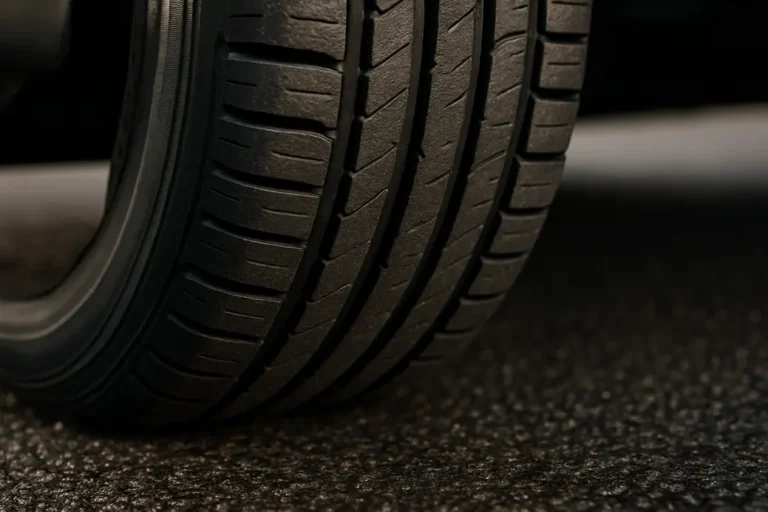
What is a tire rubber compound and why is it important?
A tire rubber compound is a specially formulated blend of natural and synthetic rubber, along with various additives, designed to meet specific performance criteria for tires. It is crucial because this rubber formulation determines a tire’s grip, durability, heat resistance, and overall functionality.
The importance of a tire rubber compound lies in its ability to balance competing demands such as traction, wear resistance, and fuel efficiency. By carefully selecting and combining different rubber types and chemicals, manufacturers can tailor the compound to suit diverse driving conditions and vehicle requirements.
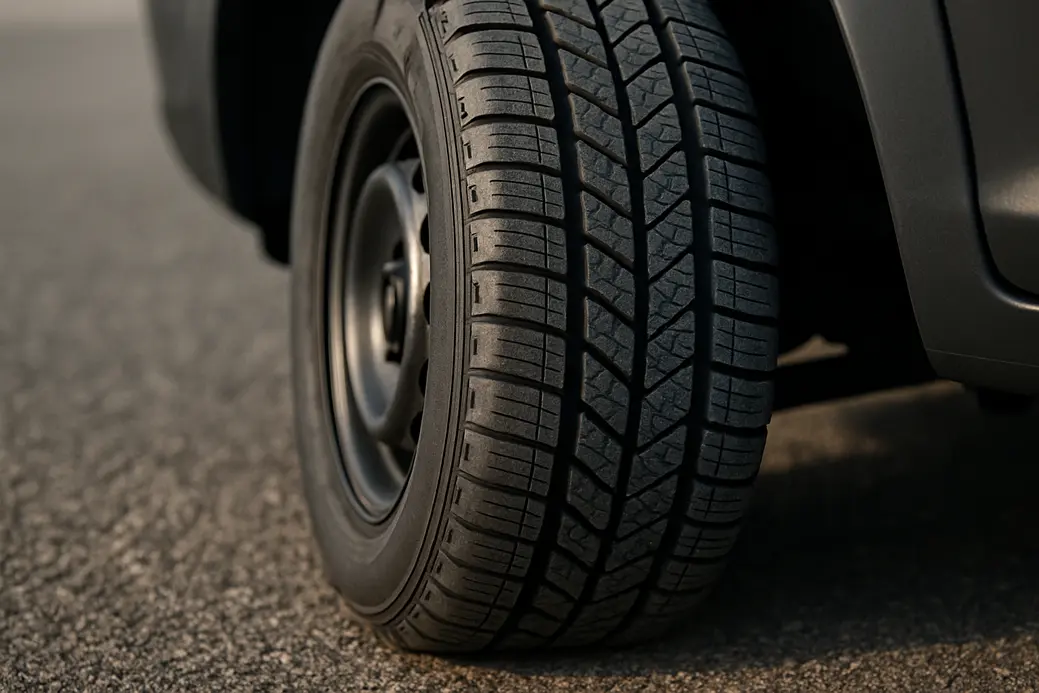
What are the different types of rubber compounds used in tires?
The main types of rubber compounds used in tires include natural rubber, synthetic rubber, and blends thereof. Each type offers distinct properties suited to different sections of the tire.
Natural rubber provides high resilience and strength, while synthetic rubbers such as styrene-butadiene rubber (SBR) and butadiene rubber (BR) offer enhanced wear resistance and abrasion tolerance. Specialized rubber compounds may also include silica or carbon black fillers to improve grip and longevity.
How do tire rubber compounds affect overall tire performance?
Tire rubber compounds directly influence critical performance factors such as traction, handling, tread life, and rolling resistance. A well-optimized compound enhances grip on wet or dry surfaces, improving vehicle safety and control.
Additionally, the compound’s heat dissipation properties affect tire temperature during use, impacting durability and performance consistency. Balancing softness for grip with hardness for wear resistance is essential in achieving optimal rubber compound car tire performance.
What is a tire softening compound and how does it work?
A tire softening compound is an additive or formulation designed to maintain or reduce the hardness of rubber in tires. It works by embedding plasticisers or oil-based substances in the rubber matrix, increasing flexibility and elasticity.
This rubber formulation improves the tire’s ability to conform to road surfaces, enhancing grip and comfort especially in colder conditions where rubber tends to harden.
What are the key characteristics of winter tire rubber compounds?
Winter tire rubber compounds are designed to remain soft and flexible at low temperatures. They typically use higher levels of natural rubber and specialized additives that lower the glass transition temperature of the compound.
These properties ensure that winter tire rubber compounds provide superior traction on ice and snow by maintaining elasticity, which is critical for effective braking and stability in freezing environments.
How is a tire tread compound different from other rubber compounds in tires?
A tire tread compound is specifically formulated to endure contact with the road surface, prioritising wear resistance and grip. Unlike inner tire compounds, tread rubber compounds balance abrasion resistance with flexibility.
Tread rubber compound formulations often include fillers like silica to optimise wet traction and reduce rolling resistance, distinguishing them from sidewall or inner liner compounds, which focus more on durability and air retention.
What are the common rubber compounds used for car tires?
Common rubber compounds for car tires typically consist of styrene-butadiene rubber (SBR), butadiene rubber (BR), and natural rubber blends. These tire material blends aim to optimise grip, longevity, and fuel efficiency.
Manufacturers adjust the proportion of each rubber type and additive fillers according to the intended use, whether for summer, winter, or all-season tires, ensuring that rubber compound car tire performance meets varying driving requirements.
What is a tyre rubber filler repair compound and how is it used?
A tyre rubber filler repair compound is a pliable rubber material used to fill punctures or cracks in tires. It restores the integrity of the tire surface by bonding with the existing rubber.
These compounds are applied during repair processes to ensure a durable seal that maintains tire performance and safety, effectively extending the tire’s usable life without compromising its structural properties.
Frequently Asked Questions
How does temperature affect the aging of tire rubber compounds?
Higher temperatures accelerate the breakdown and hardening of tire rubber compounds over time.
Can tire rubber compounds be recycled or reused in new tires?
Yes, some tire rubber compounds can be processed and incorporated into new tire formulations.
Do tire rubber compounds vary between different vehicle types like trucks and motorcycles?
Yes, tire rubber compounds are tailored for specific vehicle demands and usage conditions.