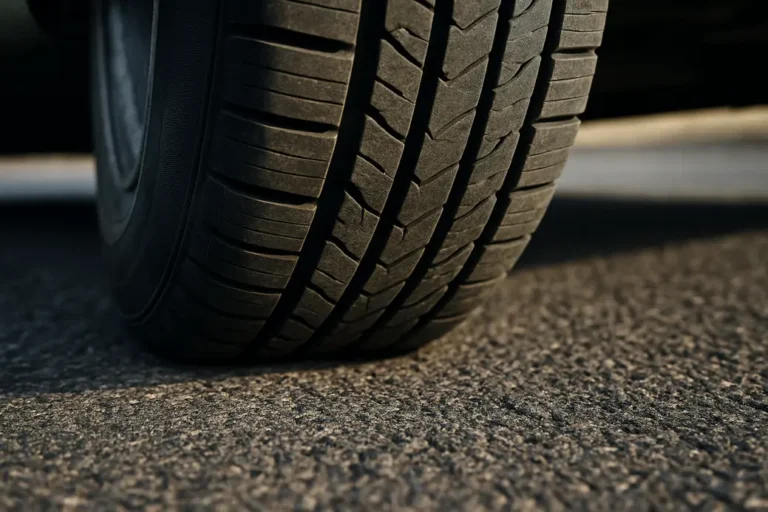
What is inner tire wear and how does it affect your vehicle?
Inner tire wear refers to the uneven wearing down of a tire’s tread predominantly on the inner edge or sidewall. This type of wear affects the inner part of the tire wearing more quickly than the rest, leading to reduced tire lifespan and compromised performance.
When the inner edge wears faster, it indicates alignment or suspension issues, causing instability during driving. This asymmetrical wear negatively impacts handling, traction, and braking efficiency, posing a risk to vehicle safety. Regular checks are crucial to identify and correct inner tire wear to maintain optimal driving conditions.

What are the common causes of inner tire wear on front tires?
The primary causes of inner tire wear on front tires include misalignment, specifically excessive negative camber, and worn suspension components. Negative camber means the top of the tire tilts inward, putting more pressure on the inside edge and causing faster wear there.
Other factors contributing to inside edge tire wear are:
- Incorrect toe settings causing tires to scrub against the road
- Worn ball joints or bushings affecting tyre positioning
- Overloading or poor road conditions accelerating uneven tread wear
In summary, mechanical faults and alignment errors are the main reasons for tire wear on inside edges, requiring timely suspension and alignment inspections.
What symptoms indicate excessive wear on the inside edge of tires?
Excessive wear on the inside edge of tires typically shows up as visibly thinner tread on the tyre’s inner side compared to the outer edge. This uneven wear can cause the vehicle to pull to one side or produce uneven tyre noise during driving.
Additional symptoms include:
- Shaking or vibration in the steering wheel
- Reduced grip or handling performance in corners
- Early need for tyre replacement due to rapid inner tread wear
Recognising these signs early allows vehicle owners to address the underlying issues before safety and tyre durability are compromised.
Is inner tire wear dangerous and what risks does it pose to driving safety?
Inner tire wear is indeed dangerous as it indicates compromised tyre integrity and vehicle alignment. It increases the risk of uneven traction, poor handling, and longer braking distances, which can lead to accidents or loss of control, especially in wet or slippery conditions.
Ignoring inner tire wear can also result in sudden tyre failure or blowouts, posing significant safety hazards on the road. Maintaining properly worn tyres is essential to ensure safe and predictable vehicle behaviour.
Why are my front tires wearing on the inside and how can I fix it?
Front tires wear on the inside mainly due to suspension misalignment, worn steering or suspension parts, and incorrect camber settings. To fix excessive tire wear on the inside edge, a professional wheel alignment is often required to adjust camber and toe angles correctly.
Other corrective actions include:
- Inspecting and replacing damaged ball joints, tie rods, or bushings
- Rotating tires regularly to ensure even wear across all tyres
- Checking and adjusting tyre pressure to manufacturer specifications
Addressing these factors promptly helps restore even tread wear and improves the vehicle’s performance and safety.
Can specific vehicles like BMW, Ford F150, campers, and caravans have unique inner tire wear issues?
Yes, certain vehicles have unique inner tire wear patterns due to their design and usage. For instance, BMWs often experience rear tires wearing on the inside edge because of their rear-wheel-drive layout and suspension geometry.
On the other hand, campers and caravans can have camper tires wearing on the inside due to heavy weight distribution, frequent cornering, or improper alignment caused by towing stresses. Trucks like the Ford F150 may also experience these issues if suspension components are worn or overloaded. Understanding vehicle-specific factors is vital for accurate diagnosis and prevention of inner tire wear.
How can excessive wear on the inside of tires be prevented effectively?
Excessive wear on the inside of tires can be effectively prevented through consistent maintenance and proper vehicle setup. Key prevention tips include:
- Regular wheel alignment checks and adjustments
- Routine suspension inspections and timely replacement of worn components
- Maintaining correct tyre pressure according to manufacturer guidelines
- Rotating tires periodically to promote uniform tread wear
- Avoiding overloading the vehicle beyond its weight capacity
Implementing these practices helps maintain balanced tread wear, extending tyre life and ensuring safer driving conditions.
What are the differences between inner and outer tire wear patterns?
The difference between inner and outer tire wear lies in the location and causes of tread deterioration. Inner tire wear affects the inside edge of the tire tread and is often caused by misalignment, especially excessive negative camber, or suspension faults.
Outer tire wear appears on the tyre’s outside edge, usually due to excessive positive camber, underinflation, or aggressive cornering. Outer edge wear can also indicate poor driving habits. Both wear types differ in their impact on handling and require different corrective actions to restore even tread wear and vehicle balance.
Frequently Asked Questions
Can worn tires with inner edge wear affect fuel efficiency?
Yes, uneven tire wear can increase rolling resistance, reducing fuel efficiency.
Is it safe to continue driving temporarily with inner tire wear?
It is unsafe to delay repairs; inner tire wear may cause loss of control.
Do different tire brands or models wear differently on the inside?
Yes, tire design and rubber compounds can influence wear patterns on the inside edge.