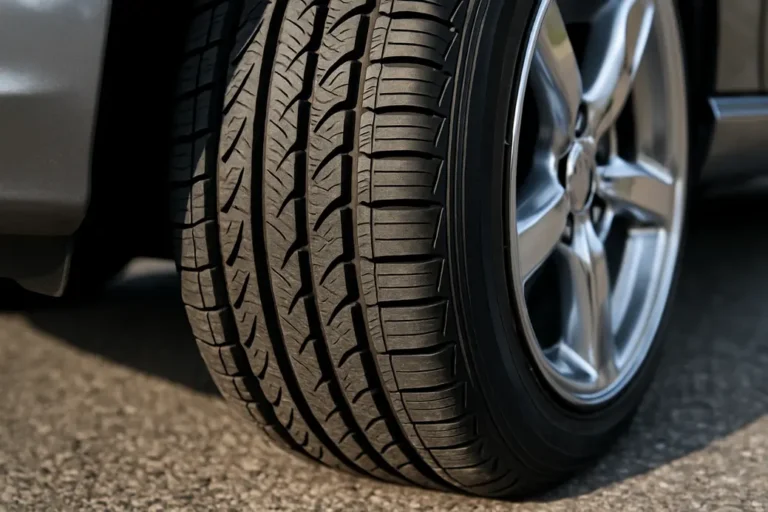
Why do new tires wear quickly on new cars?
New tires wear quickly on new cars primarily due to factors like incorrect wheel alignment, improper inflation, and driving habits. These elements contribute to uneven or accelerated wear, causing premature tire degradation soon after installation.
Further causes include the quality or type of tires used, such as soft compound tires that offer better grip but wear faster. Additionally, new cars with higher torque or weight distribution issues can put extra stress on tires. Sometimes, the tires themselves may have manufacturing defects or may not be suited for the road conditions the vehicle encounters, all of which can accelerate wear significantly.

What are the signs of uneven or excessive tire wear on new tires?
Signs of uneven or excessive tire wear on new tires include irregular tread depth, visible bald spots, and cupping or scalloping patterns on the tire surface. These symptoms indicate that tires wear unevenly, which can lead to reduced grip and safety concerns.
Other indicators may be vibrations while driving or pulling to one side, suggesting alignment or suspension issues. Regular inspection of tread depth across the tire surface can reveal rapid tire tread wear early, allowing corrective measures before the tires become unsafe or need premature replacement.
Should new tires be installed on the front or rear wheels to prevent quick wear?
New tires should generally be installed on the rear wheels to prevent quick wear and maintain vehicle stability. This advice applies even if the front wheels experience more wear due to steering and braking forces.
Fitting new tires on the rear improves traction and helps avoid oversteer, which can be dangerous in wet or slippery conditions. Installing worn tires on the rear and new on the front can lead to uneven tire wear and compromised handling, increasing the risk of accidents. Therefore, to reduce uneven tire wear and enhance safety, new tires belong on the rear axle.
How long is the expected lifespan and tread depth of new tires?
The expected lifespan of new tires typically ranges from 25,000 to 50,000 miles, depending on factors such as tire quality, vehicle type, and driving habits. A new tyre usually comes with a tread depth of around 8 to 9 millimetres, providing substantial grip and performance.
However, new tires can wear out quickly if maintenance is neglected or if driving conditions are harsh. Regular checks are necessary to monitor tread depth, which legally must be at least 1.6 millimetres in the UK for safety. Keep in mind that tire age can matter just as much as tread depth — older rubber deteriorates even if the tread looks fine. Replacing tires before they reach minimum tread level ensures optimal performance and prevents premature replacement costs.
What maintenance steps can effectively prevent premature tire wear?
Effective maintenance to prevent premature tire wear includes regular checking and adjusting of tire pressure, routine wheel alignment, and balancing. Proper inflation ensures even tread contact with the road, reducing uneven wear patterns.
Rotating tires regularly between front and rear positions helps distribute wear evenly. Additionally, avoiding aggressive driving—such as hard braking, rapid acceleration, and sharp cornering—can extend tire life. Inspecting tires for damage, maintaining suspension components, and ensuring the vehicle carries appropriate loads are also crucial to avoid tyre deterioration and ensure longevity.
Frequently Asked Questions
Can weather conditions affect the rate of new tire wear?
Yes, extreme temperatures and wet or icy roads can accelerate tire wear.
Is it necessary to replace all four tires at the same time?
Replacing all four tires together is ideal but not always required if the others have good tread.
Do tire brands differ significantly in durability for new cars?
Yes, tire durability varies by brand and model, affecting wear rates on new vehicles.