What Causes Outer Tire Wear and Why Does It Happen?
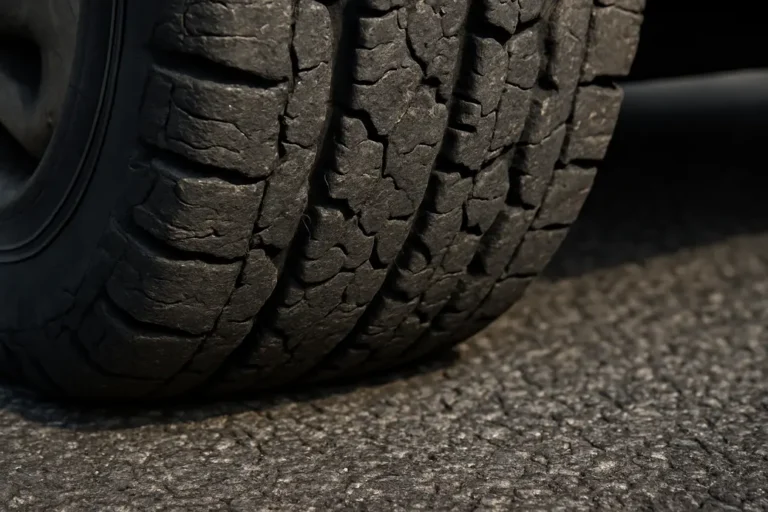
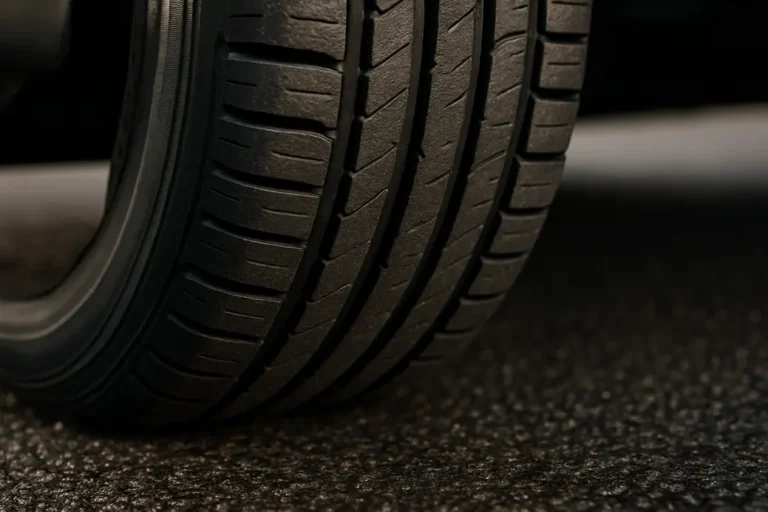
Outer tire wear occurs primarily due to factors that cause increased friction or uneven pressure on the outer edges of the tyre. The main causes include improper wheel alignment, incorrect tire inflation, and aggressive cornering habits.
When the wheels are misaligned, the tyre’s contact patch shifts, causing the outer edge to bear more load than the centre or inner edge. Under-inflation also contributes by allowing the tyre to flex more at the edges, increasing wear on the outside. Furthermore, sharp or frequent cornering creates lateral forces that place extra strain on the outer tread, accelerating wear. Other contributing elements can include suspension issues, worn components, or even the type of roads driven on, all of which influence how evenly the tyre wears.
Why Are Both Front Tires Wearing on the Outside Edge?
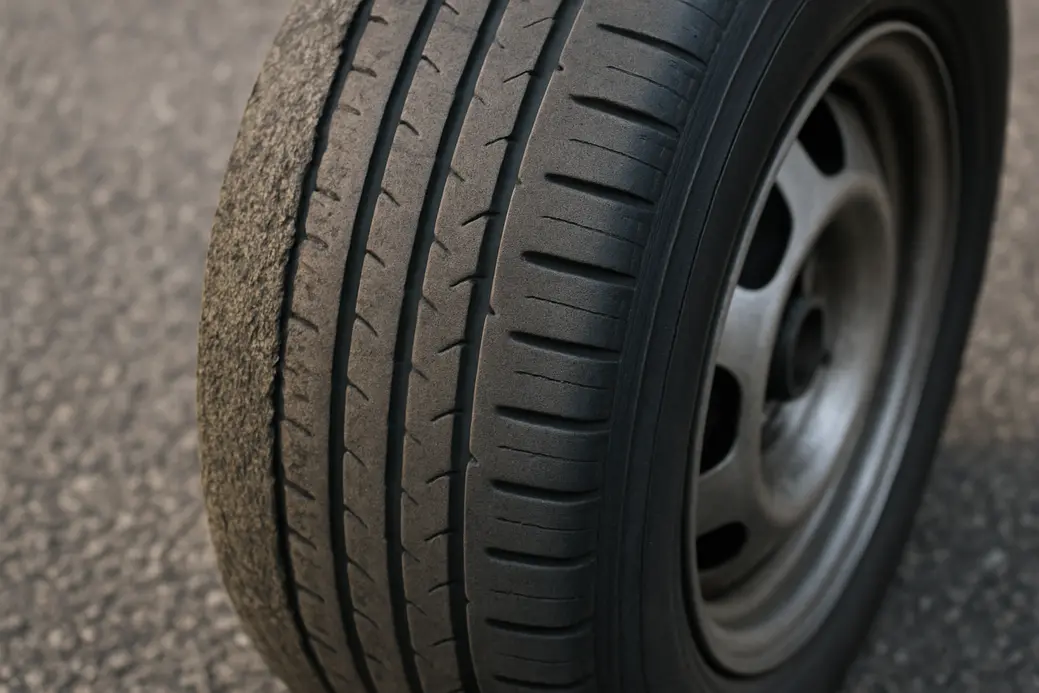
Both front tyres wearing on the outside edge usually indicates consistent alignment or driving style problems affecting the front axle. Common causes include incorrect toe settings or excessive positive camber, which tilt the tyres outward during travel.
This wear pattern often appears on the front passenger tyre but can affect both front tyres, particularly in front-wheel-drive vehicles where power delivery and steering angles exacerbate edge wear. Additionally, aggressive cornering or taking bends at high speed puts more load on the outer tread, accelerating wear equally on both front tyres. Faulty suspension components or uneven weight distribution may also contribute to this problem.
What Are the Common Symptoms and Signs of Outer Edge Tire Wear?
Common symptoms of outer tire wear include visibly thinner tread depth along the outer edges compared to the centre and inner tread of the tyre. This wear pattern often manifests as a rougher texture or slickness confined to the outside edge.
Drivers may also notice reduced traction during cornering, increased road noise from the tyres, or vibrations when steering. A tyre suffering from outer edge wear may feel less stable, especially on wet or uneven surfaces. Regular visual inspections can identify outside edge wearing early, preventing more extensive damage or safety risks.
| Wear Location | Primary Cause | Secondary Cause | Fix |
|---|---|---|---|
| Outer edge | Negative camber / under-inflation | Aggressive cornering | Alignment check + correct pressure |
| Inner edge | Positive camber / toe-out | Worn suspension | Alignment check + suspension inspection |
| Center strip | Over-inflation | High-speed cruising | Reduce pressure to manufacturer spec |
| Both edges | Under-inflation | Overloading | Inflate to correct pressure |
| Diagonal / patchy | Wheel imbalance | Worn shock absorbers | Balancing + shock absorber replacement |
How Can You Diagnose Outer Tire Wear on Front and Rear Tires?
Diagnosing outer tire wear involves a thorough visual inspection and assessment of driving habits and mechanical components. To identify outer tread wear on tyres, check the tread depth using a gauge, focusing on the outer edges compared to the rest of the tyre.
Examine both front and rear tyres for consistent patterns of wear; uneven wear on the outer edge suggests alignment or inflation issues. It is important to also inspect the vehicle’s suspension, wheel alignment, and tyre pressure. A car tyre wearing on the outer edge typically points to improper camber or toe settings, and diagnosing these early can prevent extensive tyre damage and maintain handling performance.
How Can Outer Edge Tire Wear Be Prevented or Repaired Effectively?
Preventing outer edge tire wear requires maintaining proper wheel alignment, regularly checking and adjusting tyre pressure, and adopting smoother driving styles, especially when cornering. Routine alignment inspections ensure the tyres maintain correct camber and toe angles, preventing excessive load on the outer edges.
To repair outer tire wear, tyres showing minimal edge degradation may benefit from rotation to redistribute wear evenly. However, significant outer edge wear often necessitates tyre replacement as the tread may be compromised. Addressing underlying mechanical issues such as worn suspension parts is also vital. Effective prevention includes:
- Regular wheel alignment and balancing
- Keeping tyres inflated to manufacturer’s specifications
- Avoiding aggressive cornering
- Periodic tyre rotation to extend tread life
Together, these actions reduce the likelihood of excessive wear on the outer edges.
Is Outer Tire Tread Wear a Sign That You Need to Replace Your Tires?
Outer tire tread wear can indeed be a clear sign that tyre replacement is necessary. When the outer edge becomes bald or the tread depth falls below legal or manufacturer guidelines, the tyre’s ability to grip the road safely is compromised.
If the wear is severe and uneven, it weakens the tyre’s structure and increases the risk of blowouts or hydroplaning. Timely replacement ensures optimal traction and maintains driving safety, particularly in adverse conditions.
How Does Outer Tire Wear Affect Tire Performance and Safety?
Outer tire wear negatively affects both tyre performance and vehicle safety by reducing grip, especially during cornering or wet conditions. Excessive wear on the outside edge diminishes the tyre’s ability to maintain proper road contact, which can lead to understeer and instability.
This uneven wear also causes vibrations and may increase stopping distances, putting the driver and passengers at risk. Maintaining even tread wear is crucial for preserving handling characteristics and ensuring safe braking and manoeuvrability.
Frequently Asked Questions
Can incorrect tire rotation schedules contribute to outer tire wear?
Yes, improper rotation can cause uneven wear, including increased wear on the outer edges.
Does driving mostly on highways versus city roads affect outer tire wear?
City driving with frequent turns increases outer edge wear more than consistent highway driving.
Can seasonal changes in temperature influence the rate of outer tire wear?
Yes, temperature changes affect tire pressure and flexibility, impacting outer edge wear rates.
Can outer edge wear on rear tires indicate a different problem than on front tires?
Yes — on rear tires, outer edge wear often points to camber issues or worn rear suspension, rather than the steering and cornering forces that typically affect front tires.
How quickly can wheel misalignment cause visible outer edge wear?
Severe misalignment can cause visible outer edge wear within a few thousand kilometres, particularly if camber is significantly off-spec.