
What Is the Relationship Between Wheel Size and Ride Comfort?
The relationship between wheel size and ride comfort is direct and significant, as wheel diameter influences how a vehicle absorbs road irregularities. Larger wheels typically have lower-profile tyres which reduce the cushioning effect, while smaller wheels with higher-profile tyres generally provide a softer and more comfortable ride.
Wheel dimension affects the amount of tyre sidewall available to flex and absorb shocks from the road surface. This means that vehicles with smaller wheels and taller tyres often experience better ride comfort due to increased tyre compliance. Conversely, bigger wheels reduce the sidewall height, increasing road harshness transmission to the cabin.
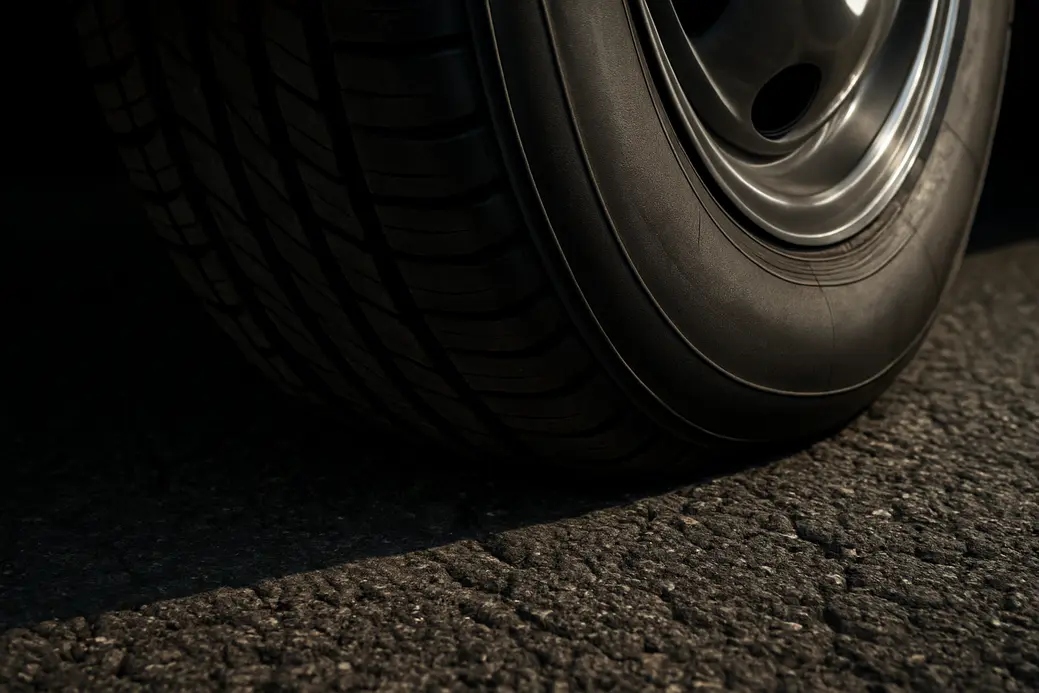
How Does Wheel Size Affect Car Ride Comfort and Driving Experience?
Wheel size crucially impacts car ride comfort and the overall driving experience by altering tyre flexibility and suspension dynamics. Larger wheels with lower-profile tyres tend to provide a firmer ride, transmitting more vibrations and bumps to passengers. Smaller wheels with higher-profile tyres offer greater cushioning, resulting in a smoother and more comfortable ride.
Additionally, the increased unsprung mass of bigger wheels can affect suspension performance and handling responsiveness. While large wheels often improve cornering stability and grip due to wider tyres, they can compromise comfort over rough or uneven surfaces. Therefore, the impact of wheel diameter on ride comfort depends on striking the right balance between aesthetic preferences, performance requirements, and desired smoothness during everyday driving.
Are Bigger Wheels Really Ruining Ride Quality Compared to Smaller Wheels?
Bigger wheels do not inherently ruin ride quality but come with both advantages and disadvantages compared to smaller wheels.
- Advantages of bigger wheels:
- Enhanced visual appeal and aggressive styling
- Improved handling and cornering stability due to wider tyre contact patches
- Better braking performance with larger brake components
- Disadvantages of bigger wheels:
- Reduced ride comfort owing to lower-profile tyres that absorb less road shock
- Increased risk of tyre damage on rough roads due to thinner sidewalls
- Potential for higher road noise and harsher feedback inside the cabin
Smaller wheels, on the other hand, generally offer a more comfortable, cushioned ride and better fuel efficiency but may compromise on sporty handling characteristics and aesthetics. Choosing between bigger and smaller wheels involves considering the trade-off between ride comfort and performance or style.
What Difference Does Wheel Size Make in Handling and Fuel Economy?
Wheel size significantly affects both vehicle handling and fuel economy. Larger wheels usually improve handling by providing better grip and stability, especially when paired with performance tyres that have a wider tread. They reduce tyre sidewall flex, enabling more precise steering response and enhanced cornering ability.
However, increased wheel diameter often leads to higher rotational weight and greater unsprung mass. This negatively impacts fuel economy because the engine works harder to rotate heavier wheels, raising energy consumption. Bigger wheels can also increase rolling resistance, further reducing efficiency.
Conversely, smaller wheels typically offer lighter weight, better fuel economy, and improved ride comfort but may sacrifice some handling precision and grip. Each wheel size choice involves balancing improved driving dynamics against fuel consumption and comfort needs.
Which Alloy Wheel Size Should I Choose for Optimal Ride Comfort?
For optimal ride comfort, alloy wheels sized between 15 and 17 inches are generally recommended. This range allows for enough tyre sidewall height to absorb shocks and provide a smooth ride while maintaining good handling and stability.
Choosing a wheel size within this middle range optimises tyre profile height, ensuring the vehicle’s suspension can perform effectively without excessive harshness. Of course, the best wheel dimension varies depending on vehicle type, intended use, and personal comfort preferences, but selecting wheels in this standard size bracket often achieves the best compromise between comfort, performance, and aesthetics.
What Are the Best Tips for Choosing the Right Wheel Size to Enhance Comfort?
To enhance comfort when selecting wheel size, consider these key tips:
- Prioritise tyres with adequate sidewall height to absorb road imperfections.
- Avoid excessively large wheels that reduce tyre profile and increase ride harshness.
- Balance wheel size with vehicle suspension tuning and intended driving conditions.
- Test drive vehicles with different wheel sizes to assess real-world comfort differences.
- Consult manufacturer recommendations to ensure compatibility and optimal performance.
Paying attention to these factors helps ensure that the chosen wheel size contributes positively to ride comfort without sacrificing safety or driving enjoyment.
Frequently Asked Questions
How does wheel size impact tyre wear over time?
Larger wheels with lower-profile tyres often cause faster tyre wear due to stiffer sidewalls.
Can changing wheel size affect the vehicle’s speedometer accuracy?
Yes, altering wheel size can distort speedometer readings if tyre circumference differs from stock size.
Are there safety concerns when fitting larger wheels than recommended?
Fitting larger wheels than recommended can affect handling, braking, and may cause clearance or fitment issues.


