
Why does my car feel different with new tires?
Your car feels different with new tires because the tread pattern, rubber compound, and tire construction directly influence how the vehicle interacts with the road. New tires can change the grip, noise levels, and suspension response, affecting your overall driving experience.
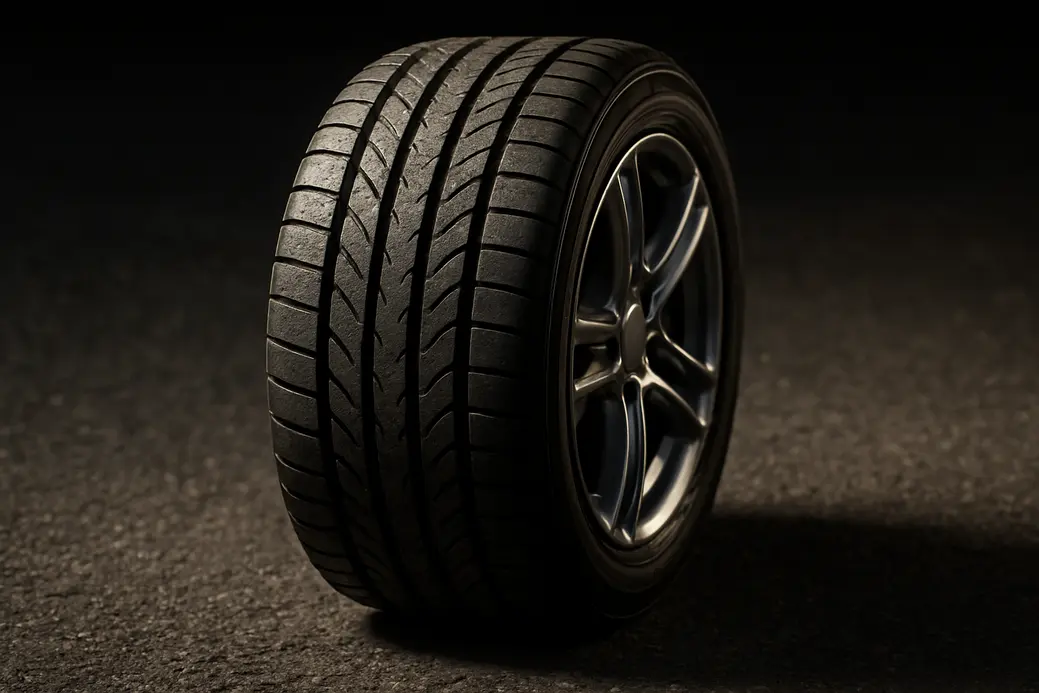
When you install new tires, they typically have deeper tread and stiffer sidewalls compared to worn tires. This alters how the tires absorb road imperfections and transmit vibrations. Additionally, new tires often have different rubber compounds designed for better performance or durability, which can change traction and ride smoothness. The combination of these factors explains why the driving experience feels distinct after replacement.
How do new tires affect braking and vehicle handling?
New tires usually improve braking performance and vehicle handling due to increased tread depth and enhanced rubber compounds that provide better traction. This translates into shorter stopping distances and more responsive steering control.
The effects of new tires on braking and handling include:
- Enhanced grip on wet and dry surfaces, reducing skid risk
- Improved cornering stability with fresh tread blocks
- Better road feedback giving the driver more precise control
- Reduced braking distance compared to worn tires
However, if the new tires have a different design or size than the originals, they may alter handling characteristics, such as understeer or oversteer tendencies. Proper matching of tire specifications is essential to maintain predictable vehicle behaviour.
What factors influence ride comfort when installing new tires?
Ride comfort after installing new tires is influenced by factors such as tire tread design, rubber composition, sidewall stiffness, and tire size. All these elements affect how the tires absorb shocks and respond to road texture.
Key factors influencing ride comfort are:
- Tread pattern: More aggressive tread designs can increase road noise and harshness
- Sidewall flexibility: Softer sidewalls generally offer a smoother ride by better absorbing bumps
- Tire pressure: Incorrect inflation levels can cause a firmer or overly soft ride
- Tire size and profile: Lower profile tires often lead to a stiffer ride due to reduced cushioning
- Tire compound: Softer compounds enhance grip but may also transmit more road vibrations
Choosing tires designed with comfort in mind helps maintain a pleasant driving feel alongside improved safety.
Why might the ride feel rough or stiff after replacing tires?
The ride may feel rough or stiff after replacing tires because new tires often have firmer sidewalls and deeper treads, which change how the vehicle absorbs road irregularities. Additionally, improper tire pressure or mismatched tire sizes can worsen ride quality.
Common causes of a rough or stiff ride after tire replacement include:
- High tire pressure: Overinflated tires reduce shock absorption, resulting in harsher rides
- Tire stiffness: Performance-oriented tires or those with reinforced sidewalls transmit more vibrations
- Incorrect tire size: Different diameter or width affects suspension dynamics and comfort
- Unbalanced tires: Improper balancing causes vibrations that impact smoothness
Addressing these issues usually restores comfortable ride feel and ensures the full benefits of the new tires.
How long does it take to adjust and optimize the ride feel after changing tires?
It typically takes several hundred miles of driving to adjust and optimise the ride feel after changing tires. During this break-in period, the tires’ tread surfaces wear slightly, and the vehicle’s suspension adapts to the new interaction with the road.
The adjustment period involves:
- Slight softening of the tread as it beds in, improving grip and comfort
- Driver acclimation to new steering response and road feedback
- Possible fine-tuning of tire pressures or wheel alignment for best performance
Most drivers notice improved smoothness and handling after about 300 to 500 miles of driving, after which the full ride quality of the new tires becomes apparent.
Frequently Asked Questions
Can weather conditions affect how new tires perform?
Yes, weather affects tire grip and performance, with some tires designed specifically for wet or winter conditions.
Is it necessary to replace all four tires at the same time?
Replacing all four tires ensures balanced handling and safety, but sometimes two can suffice with proper matching.
How often should new tires be rotated to maintain optimal performance?
Tires should generally be rotated every 5,000 to 8,000 miles to promote even wear and performance.


