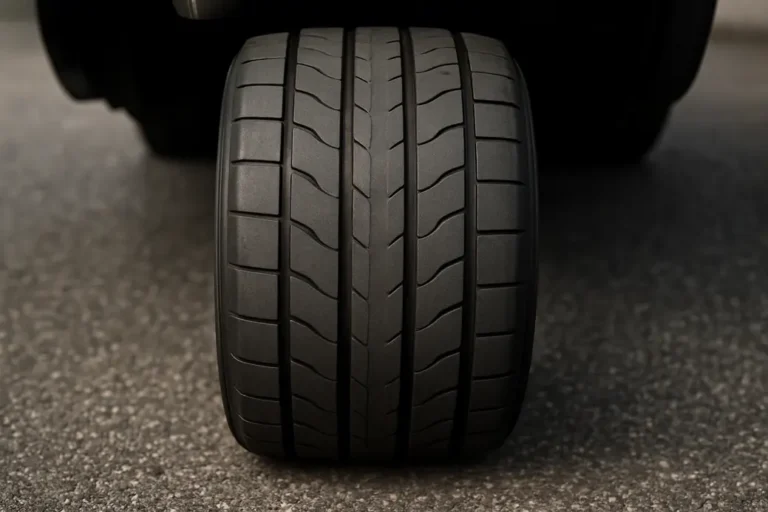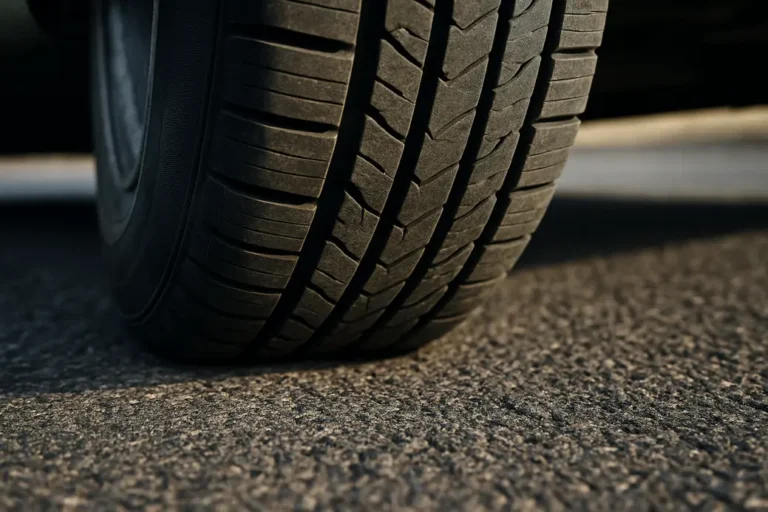
What is the relationship between tire width and vehicle tire noise?
The relationship between tire width and vehicle tire noise involves how the contact patch size influences sound generation. Wider tires have a larger contact area with the road, which affects the interaction between the tire tread and the surface, leading to changes in noise levels. Vehicle tire noise depends on several factors, including tread design, road texture, speed, and tire width, all contributing to the overall sound emitted by a vehicle. Understanding this relationship helps explain why different tire widths produce varying noise levels on the road.
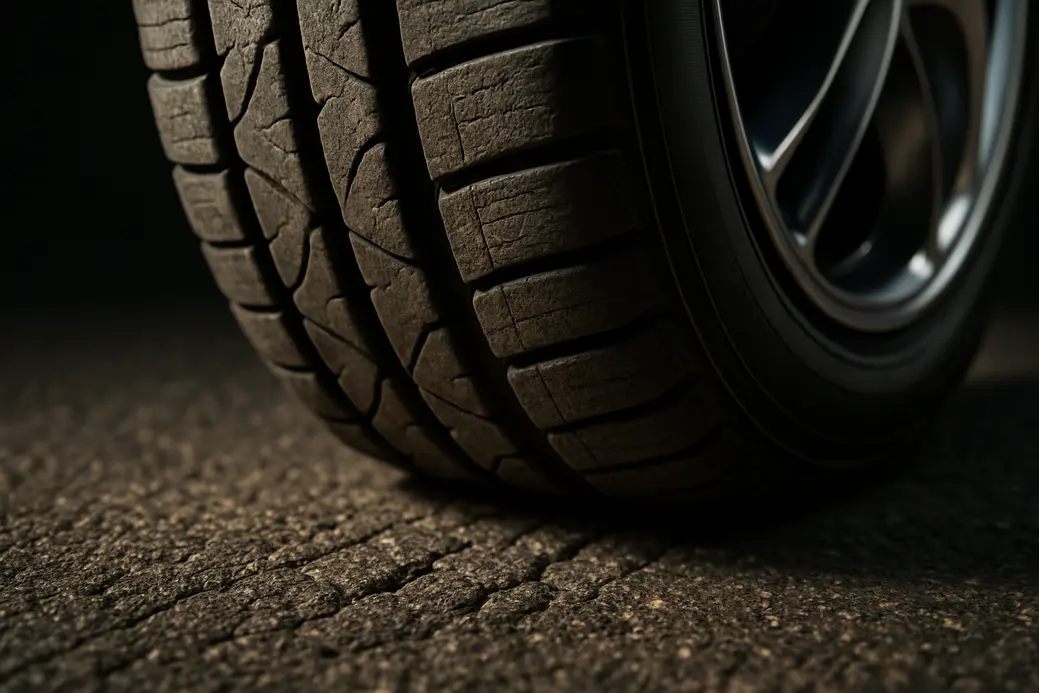
Do wider tires cause louder or quieter tire noise compared to narrow tires?
Wider tires generally cause louder tire noise compared to narrow tires under similar conditions. This increase in noise arises mainly because the larger contact patch of wider tires creates more friction and air displacement against the road surface. Many drivers report that wider car tires noise is more noticeable, especially at higher speeds, where road interaction intensifies. However, the difference in noise level can vary depending on the tire’s tread pattern and construction, with some wider tires designed to minimise noise buildup despite their size.
Why do wider tires generate different noise levels than narrow tires?
Wider tires generate different noise levels than narrow tires due to several key factors. Primarily, the larger footprint increases the amount of rubber in contact with the road, which amplifies vibrations and sound emissions. The broader contact patch also traps more air and creates louder air pumping sounds between the grooves of the tread. Additionally, wider tires tend to produce more road rumble because the sidewalls and tread blocks react differently to road irregularities. Reasons for tire noise also include tread design variations, pressure distribution, and the stiffness of tire materials, all influencing the noise from wide tires.
How do wider tires compare to narrow tires in terms of road noise and overall sound?
Wider tires typically generate higher levels of road noise and a more pronounced overall sound compared to narrow tires. The wider contact area increases mechanical noise from the tire-road interaction and hydraulic noise caused by compressed air in the treads. When comparing tire noise wider vs narrow, wider tires often produce a deeper, more resonant sound, which can be louder inside the cabin. Narrow tires, with less surface area, generally produce a quieter, higher-pitched noise and less vibration, resulting in a more subdued driving experience on many road types.
What other factors besides tire width influence vehicle tire and wheel noise?
Besides tire width, multiple factors influence vehicle tire and wheel noise. These include:
- Tread pattern and depth: Aggressive tread blocks and deeper grooves tend to create more noise.
- Tire compound and construction: Softer compounds can absorb more sound, while harder materials reflect noise.
- Wheel design and size: Larger wheels with lower-profile tires can amplify road noise.
- Road surface type: Rough or textured roads increase tire noise levels.
- Vehicle speed: Higher speeds typically raise noise output.
- Tire pressure: Under- or over-inflated tires may generate additional noise or vibrations.
All these factors interact with tire width to determine the overall noise profile of a vehicle’s tires.
How can drivers reduce noise from wider tires effectively?
Drivers can reduce noise from wider tires by following several practical steps. Maintaining correct tire pressure ensures optimal contact and minimises excessive vibration. Choosing wider tires with quieter tread patterns, such as those designed for low noise emissions, helps reduce sound generation. Additionally, adding sound-dampening materials inside the wheel well and under the vehicle floor can lessen cabin noise. Proper wheel alignment and balancing also contribute by preventing uneven wear and vibrations that increase noise. Finally, driving at moderate speeds on smoother roads can significantly mitigate the louder noise commonly associated with wider tires.
Should drivers choose wider tires considering increased noise levels?
Drivers should carefully weigh the benefits of wider tires against the increased noise levels they often bring. While wider tires can improve grip, handling, and aesthetics, the noise from wide tires may affect cabin comfort and long-distance driving enjoyment. It is important to consider how much additional tire noise is acceptable and whether noise-reducing designs or technologies are available. Ultimately, the choice to install wider car tires noise requires balancing performance improvements with potential sound drawbacks to meet individual driving needs.
Frequently Asked Questions
Does tire width affect wet and dry traction differently in terms of noise impact?
Tire width influences traction, but noise variation depends more on tread design than wet or dry conditions.
Can tire width changes cause different noise levels on city streets versus highways?
Yes, wider tires tend to be noisier at high speeds like on highways compared to lower speeds in cities.
Is there a tire width threshold where noise increase becomes significantly noticeable?
Noise noticeably increases with tire width beyond standard sizes, but exact thresholds vary by tire model.