
What is tire feathering and how does it affect your vehicle?
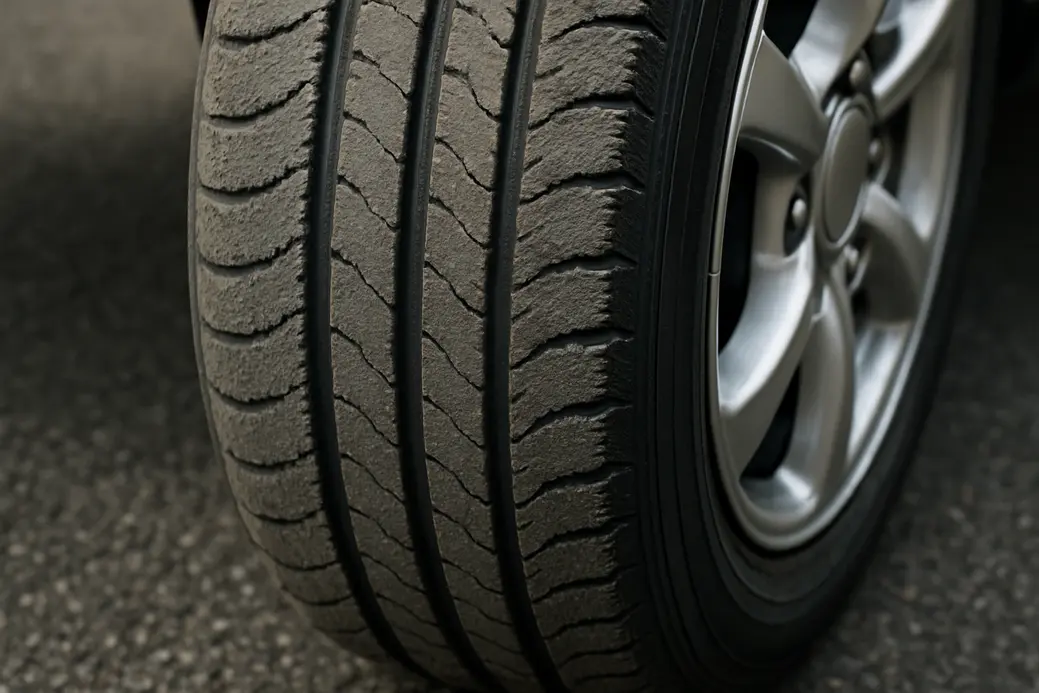
Tire feathering is a type of uneven wear where the tread blocks on a tyre develop a sawtooth or feathered edge. This occurs when the tread ribs wear at different angles, creating a rough texture instead of a smooth, even surface. Feathered tyre wear can cause vibrations, noise, and reduced tyre performance, impacting vehicle handling and safety. Over time, it can lead to premature tyre deterioration and uneven grip on the road, which compromises driving comfort and control.
Feathering of tyres is often subtle at first but becomes more noticeable as the uneven wear worsens. Drivers may experience more road noise or a slight pulling sensation due to the irregular tread pattern. Recognising this issue early helps prevent further damage and ensures your vehicle maintains optimal road contact and stability.
What are the common causes of tire feathering on tires?
The primary causes of tire feathering relate to improper wheel alignment and suspension problems. When tyres are misaligned, either through incorrect toe settings or camber angles, the tread edges do not wear evenly, resulting in feather edge tire wear. Worn or damaged suspension components, such as bushings or ball joints, can also cause tyres to move irregularly during driving, increasing the risk of feathering.
Other tires feathering causes include:
- Underinflated or overinflated tyres causing uneven pressure distribution
- Aggressive driving habits that put stress on tyre edges
- Braking or cornering forces that place uneven loads on tyre treads
- Mechanical issues like bent wheels or improper balancing
These factors combined lead to increased friction and tearing along the outside edges of tyres, contributing to the characteristic feathering pattern on the tread surface.
What symptoms and feathered wear patterns indicate tire feathering?
Tire feathering symptoms typically include a distinct, rough feel when running a hand across the tyre tread. Instead of smooth ribs, you will notice edges that slope up and down like tiny steps or sawteeth. This texture causes tyre noise during driving, often described as a chirping or humming sound. Visually, feathered wear tires show irregular tread wear, with one side of the tread block worn thinner than the other.
Key feathered tire wear patterns are:
- Tread ribs with angled, sharp edges rather than flat surfaces
- Uneven wear concentrated on the inside or outside of the tyre tread
- Noise increasing with vehicle speed due to inconsistent tread contact
- Potential vibration transmitted through the steering wheel or chassis
These patterns help distinguish tire feathering from other types of uneven wear, such as cupping or scalloping. For a broader overview of what different wear patterns mean, see normal vs. abnormal tire wear.
How to diagnose the cause of tire feathering: a quick reference
Because tire feathering has several possible causes, a systematic approach helps identify the root problem quickly. Use this table to match your symptoms to the most likely cause and corrective action:
| Observation | Most Likely Cause | Recommended Action |
|---|---|---|
| Feathering on front tires only | Toe misalignment (front axle) | Wheel alignment check and adjustment |
| Feathering on all four tires | Aggressive driving or general misalignment | Alignment check + review driving habits |
| Feathering on inside edge only | Negative camber or worn inner suspension bushings | Suspension inspection + alignment |
| Feathering on outside edge only | Positive camber or frequent hard cornering | Alignment + reduce lateral cornering forces |
| Feathering combined with vibration | Unbalanced wheels or worn shock absorbers | Wheel balancing + suspension inspection |
How can you effectively fix tire feathering on your vehicle’s tires?
Fixing tire feathering requires addressing the underlying causes, primarily through a correct tire feathering fix involving wheel alignment and suspension repairs. The first step is to have a professional alignment check to reset toe, camber, and caster angles to manufacturer specifications. This prevents further uneven wear by ensuring tyres roll smoothly and evenly.
Additionally, inspect and replace any worn suspension parts that contribute to irregular tyre movement. Tyre rotation helps even out wear, but if feather tyre wear is severe, replacing the affected tyres may be necessary for safety and performance.
Steps to fix feathered tyre wear:
- Conduct a comprehensive wheel alignment
- Repair or replace damaged suspension components
- Rotate tyres regularly to distribute wear evenly
- Replace tyres if thread damage is extensive or affects grip
With these fixes, you restore proper tyre contact with the road, reducing noise, vibration, and uneven wear going forward.
What are the best practices for preventing tire feathering in the future?
Preventing tire feathering involves regular maintenance and careful driving habits. Regularly checking and maintaining proper wheel alignment is the most effective strategy for preventing tire feathering. Keeping tyre pressures within recommended ranges also ensures even tread contact and reduces feathering risks.
Additional tyres feathering prevention tips include:
- Routine tyre rotation every 5,000 to 8,000 miles
- Inspecting suspension components during scheduled servicing
- Avoiding harsh cornering and aggressive braking that stress tyre edges
- Balancing tyres properly to reduce irregular wear forces
Following these best practices maintains even tread wear, extends tyre lifespan, and improves overall vehicle handling and safety.
How does tire feathering differ between front car tires and motorcycle tires?
Tire feathering presents differently in front car tyres compared to motorcycle tyres because of differing load distribution and vehicle dynamics. Front car tire feathering is commonly caused by toe misalignment, affecting the tyres’ ability to roll straight. This results in feathered wear, typically on the front tyres’ inside or outside edges, producing noise and handling issues.
Motorcycle tyre feathering often stems from suspension setups and cornering forces unique to two-wheel vehicles. Because motorcycles lean into turns, feathering may appear more prominently on one side of the tyre tread. Motorcycle tyre feathering can also be exacerbated by improper tyre pressure or aggressive acceleration and braking, which unevenly stresses the tread.
Key differences:
- Car tyre feathering is mainly alignment-related; motorcycle tyre feathering relates more to suspension and riding style
- Feathering patterns on motorcycle tyres may be asymmetric due to leaning in turns
- Noise and vibration symptoms differ due to the vehicle structure and tyre contact patch size
Understanding these differences is crucial for appropriate diagnosis and maintenance.
Frequently Asked Questions
Can tire feathering occur on all types of tires including winter and all-season tires?
Yes, tire feathering can happen on any tire type if alignment or suspension issues exist.
Is it safe to continue driving on tires with mild feathering before repair?
Mild feathering is usually safe short-term, but prompt repair is recommended to avoid further damage and increased noise or vibration.
Does tire feathering impact fuel consumption in vehicles?
Tire feathering can slightly increase fuel consumption due to uneven rolling resistance caused by the irregular tread contact with the road.
What causes feathering on the outside edge of tires specifically?
Feathering on the outside edge is most often caused by positive camber (wheel tilting outward at the top) or repeated hard cornering that loads the outer tread edge excessively. A wheel alignment check will confirm whether camber is out of specification.
How often should I check wheel alignment to prevent feathering?
As a general rule, have your wheel alignment checked once a year or every 12,000–15,000 miles — and always after hitting a significant pothole, kerb, or after any suspension repair. Catching misalignment early is the most effective way to prevent feathering before it develops.


